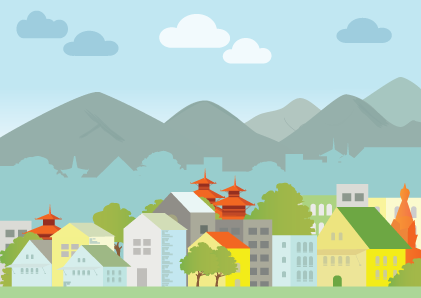
The Kathmandu I grew up in and the Kathmandu of today feel like two different cities.
Every time I return, a part of me mourns the place I left behind, and another part celebrates what it has become. Kathmandu is no longer just the city of its native dwellers. It has become home to Nepalis from far and wide. It has grown, expanded, and embraced everyone.
They say the only constant in the world is change. Kathmandu has embraced that change and in many ways, moved on without me. Sometimes that bruises my ego. But the truth is, I left too. I left because I wanted to see the world.
Do I love my current city, Charlotte, North Carolina, as much as I love Kathmandu? I think I do. Though Charlotte could certainly improve its weather to rival Kathmandu’s. When it comes to clean air, however, Charlotte stands out without question.
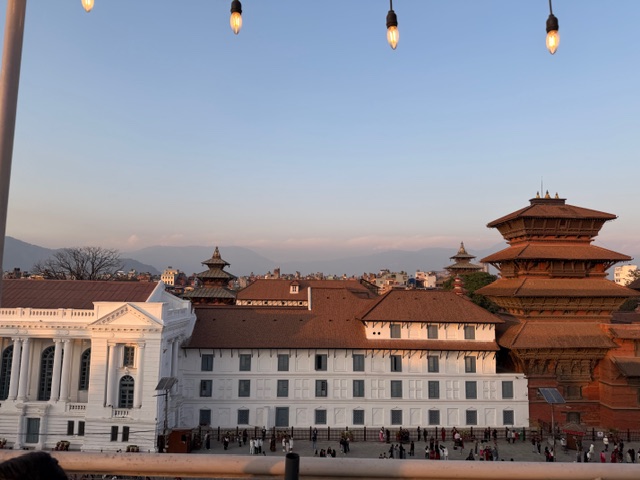
Still, I am a true Newar, born and raised in the heart of Kathmandu, in Tyauda, Ason to be specific. The narrow lanes of Ason Bazaar, the opulent Durbar Square, the intricate architecture and deep rooted culture, no other city compares when it comes to cultural heritage. I grew up in what felt like a living museum, surrounded by centuries of history at every turn.
And then I found myself in one of the coldest states in the US. For the first time, I understood what it meant not to belong. In that distance, Kathmandu became even dearer to me. Since then, I’ve made my way to the southern part of the US.
Charlotte, in the southern United States, has its own charm. North Carolina offers everything, mountains, rolling hills, and something Kathmandu does not have: breathtaking beaches. Which one wins? Kathmandu or Charlotte? It’s impossible to choose.
One is my janmabhumi — the land of my birth. The other is my karmabhumi — the land of my work and growth.
Both cities have shaped me. Both cities hold my heart.
But I have to admit, at the end of the day, I will always choose Kathmandu. It’s where I was born, where I can always return and where my heart first learned to belong.
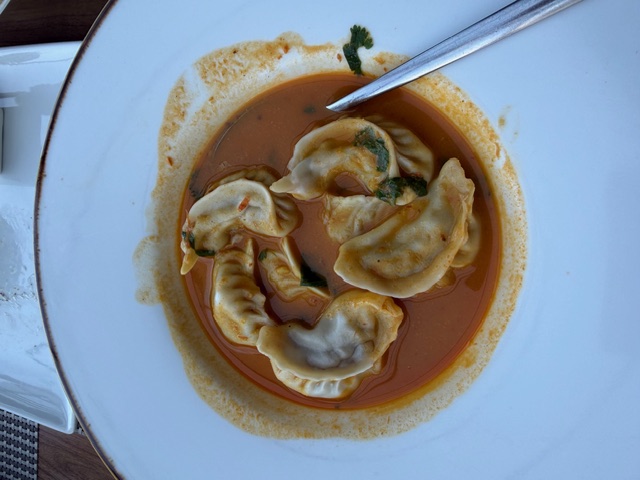
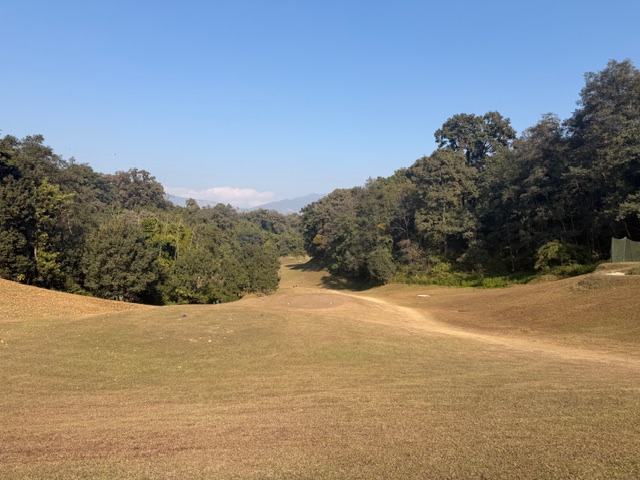
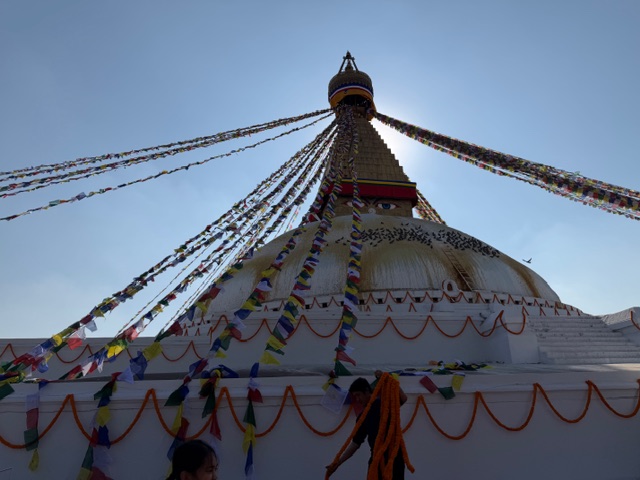
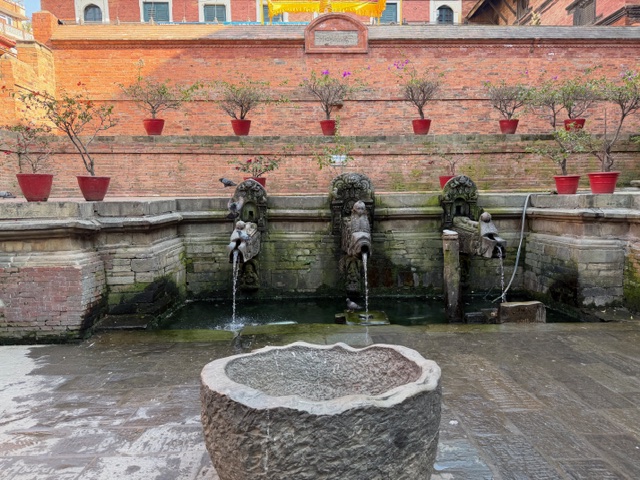
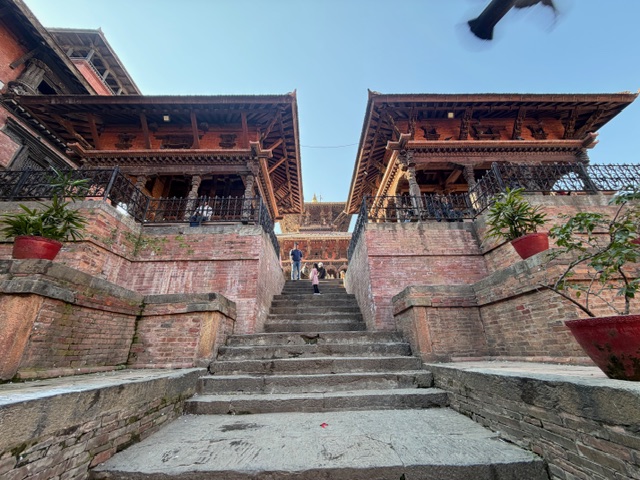
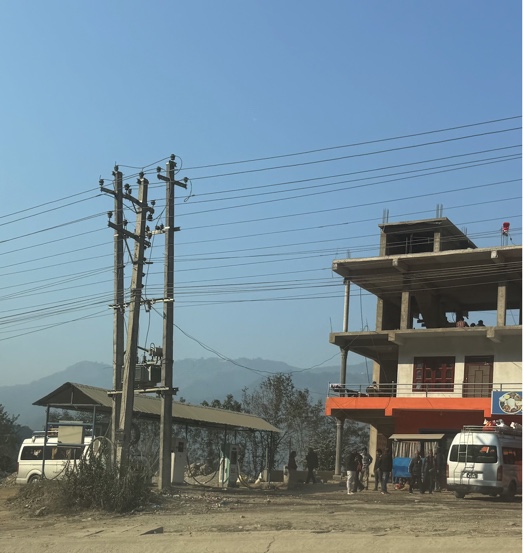
Below is a glimpse of my recent trip to Kathmandu.
We took our first trip to Europe with a visit to London, and locally enjoyed some amazing getaways to the beaches of North Carolina, and even made it to the Wisconsin Dells, where we stayed at my cousin’s place and had a blast with all the water activities. Added in our regular trip to Chicago, and topped it all off with a trip back home to Nepal.
Looking back, 2025 from a travel standpoint was incredible. I’ve been making more frequent trips to Kathmandu, and honestly, most of the time, as soon as I arrive, I’m ready to leave. This time felt different. I really wanted to take a road trip outside of Kathmandu, and I think that alone changed everything. I enjoyed this trip thoroughly. We didn’t go very far, but hey, Kurintar wasn’t so bad.
A few things that impressed me:
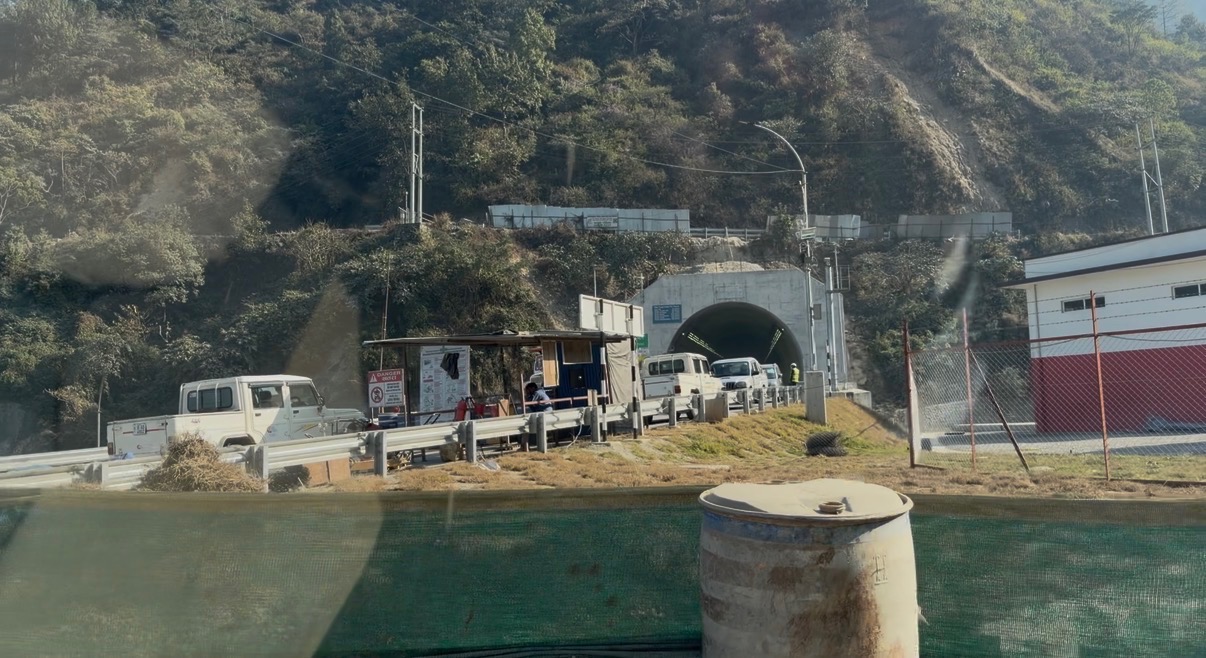
I got to witness the big new tunnel from a far.
Electric cars are taking off in Nepal, charging stations seem to be everywhere.
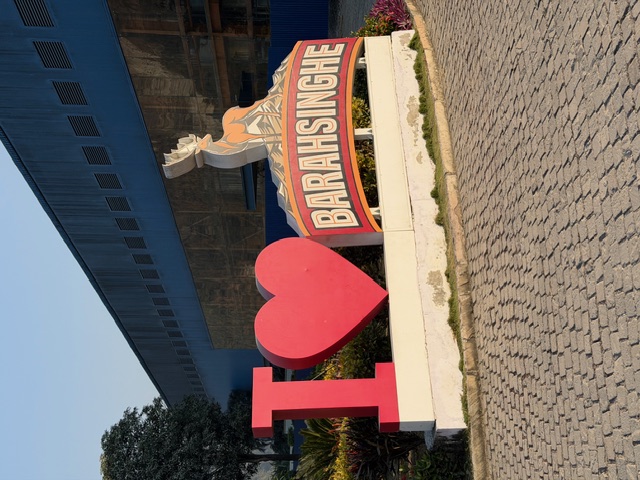
Barahsinghe brewery in Kurintar.
This was a quite a a hip and happening venue, especially for being in a middle of nowehere. Or maybe that was the whole point, to attract people looking to escape the urban jungle and unwind in the middle of nature. They had a great variety of beers and excellent food!
Barashinghe brewery property
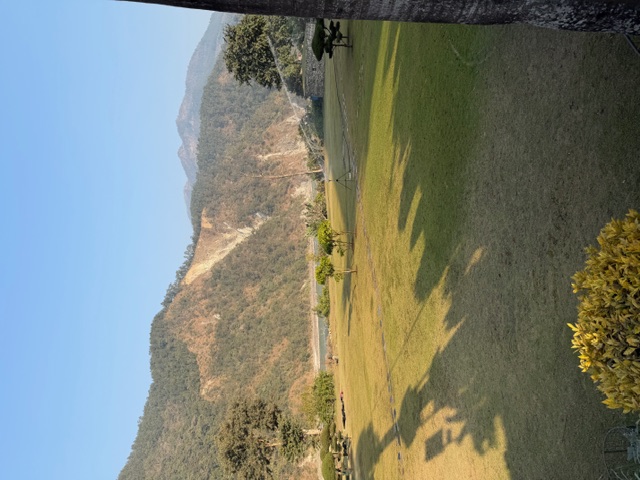
Not surprisingly, I still love the sound of a river. This is the Trishuli, rushing through.
For the past few days, I’ve immersed myself in a wide range of Nepali content—everything from protests to political commentary and just about everything in between. With Nepal preparing for elections in less than six months and moving toward the formation of a new government, I thought it would be timely, as part of my quarterly report, to highlight some of the voices I’ve found most compelling—many of whom I’m encountering for the first time.
Sagar Dhakal As the protests escalated, my anxiety grew, and I found myself constantly glued to updates from Nepal. In that process, I came across Sagar Dhakal. In this podcast recorded two months ago, he shared his data-backed research on what could shape the upcoming elections. He argued that the 2084 Nepali year (2027 AD) election would be a watershed moment—explaining how many long-time party members had grown frustrated with the system, and could potentially pave the way for new leadership.
Since then, Nepal has already seen sweeping changes: a new prime minister, an upcoming cabinet, and fresh plans for elections within six months. Given this momentum, I can’t help but wonder if the shift Sagar predicted for 2084 might arrive earlier than expected. He comes across as genuine, insightful, and forward-thinking—exactly the type of person who could help shape Nepal’s new leadership. I wish him the very best.
Sumana Shrestha Sumana is not a new discovery for me—I’ve known her since 5th grade, when we were classmates in same school. Having known her since childhood, I feel compelled to share a few observations.
When I saw her during the confirmation of the new prime minister, I believe she had already stepped away from her party. There may be all kinds of allegations directed at her, but what stands out to me is that the person she is today is exactly who she was back in school. She has always carried herself with integrity, and that quality is evident in the work she does now.
She doesn’t need to defend herself—her work speaks for itself. And frankly, I think it’s a blessing that she left her tainted party, because now she has the chance to chart her own path. I wish her nothing but the very best as she moves forward.
NepaliGen Zs Amidst everything that has unfolded, I’ve saved the best for last. Gen Z doesn’t always have the best reputation, memes about their habits flood social media daily. But I have to admit: Nepali Gen Z is different. In just a matter of days, they transformed the face of Nepali politics. Tragically, this came at the cost of many young lives. My deepest condolences go out to the families of those who were lost. Their courage was extraordinary. Even now, it feels surreal, almost like watching a film in real life. I can hardly believe it happened. I only hope the worst is behind us. However, an even greater task still lies ahead. In the coming elections, the voices of young people must be heard. We need capable leaders with vision, and without ego, who can truly serve the nation.
As the news began to trickle out last week, it became clear there was no single leader driving the protests. Instead, what stood out were the many voices rising in unity. I was deeply touched by how the protest leaders supported and uplifted one another. Their maturity was evident in how they acknowledged that they were not there to lead, but to demand change. In their voices and in their eyes, it was clear—all they wanted was a better future. That kind of self-awareness is a powerful sign that Nepal’s future is bright, and that they are more than capable of leading the nation when the time comes. My hope is that this truly marks the final revolution, one that ensures no other generation will ever have to sacrifice their lives again. I wish them nothing but the very best.
Over the past few days, I have been weighed down by a flood of emotions—shock, heartbreak, disappointment, and anxiety. Yet despite everything, there remains a fragile sense of hope.
It reminds me of 2006, when Nepalis filled the streets demanding freedom, a movement that eventually brought the Maoists into mainstream politics. Back then, there was so much hope—hope that was later shattered by the ego of one man, who chose self-interest over the greater good of the nation.
And here I am in 2025, older, maybe a little more cautious, but still holding onto hope. I can’t wrap my head around how someone who has been in power since before I was even born still manages to cling to leadership. When I saw those videos of them being dragged to safety from angry mobs, I couldn’t stop wondering: did they feel even an ounce of regret for what they’d done to Nepal and Nepalis?
The real tragedy, however, is not the fate of politicians, but the lives of ordinary Nepalis. I think of the families who have lost their children—their dreams, their aspirations, their futures reduced to ashes.
As I write this, I am overwhelmed—by helplessness, by hope, by uncertainty. Also, relieved, in some ways, that the army has stepped in, but also worried—because armies, too, may have their own interests. And if those interests come at the cost of Nepal’s future. The question looms large: will Nepal ever see a leader who governs not for ego, but for the people and the generations to come? History reminds us that even good leaders can be blinded by power, but the hope for better leadership remains.
As I reflect, I’m thinking of everyone back home. My friends, my family, but most of all my little nieces and nephews—the next generation. I’m praying that what comes next will be for them, and for all of Nepal.
Hawaii is the 50th state of the US composed mainly of volcanic islands. Also the very last state declared as the US territory in late 1950’s. We were on the island called Maui. Many travel magazines have described Maui as the paradise on Earth. Precisely the reason I wanted to explore this region. Like many places I have visited, Hawaii had been on my list for the longest time. The state of Hawaii has multiple islands, we chose Maui – because of its natural beauty. If you are looking for adventure, Maui is just the island for you; to hike, zip-line, do many other adventure sports along with some awesome water activities.
75% of Maui island is covered by the dormant volcanic mountain called Haleakala. It’s believed, Haleakala is in fact a mix of two volcanic mountains. This mountain is on the east side of Maui. All the touristic activities take place on the west and south side. Eastern part of Maui, is usually cloudy, rainy but the west and south side is almost always sunny and the eastern mountains also block the wind so tourists can have the most ideal weather experience on Maui.
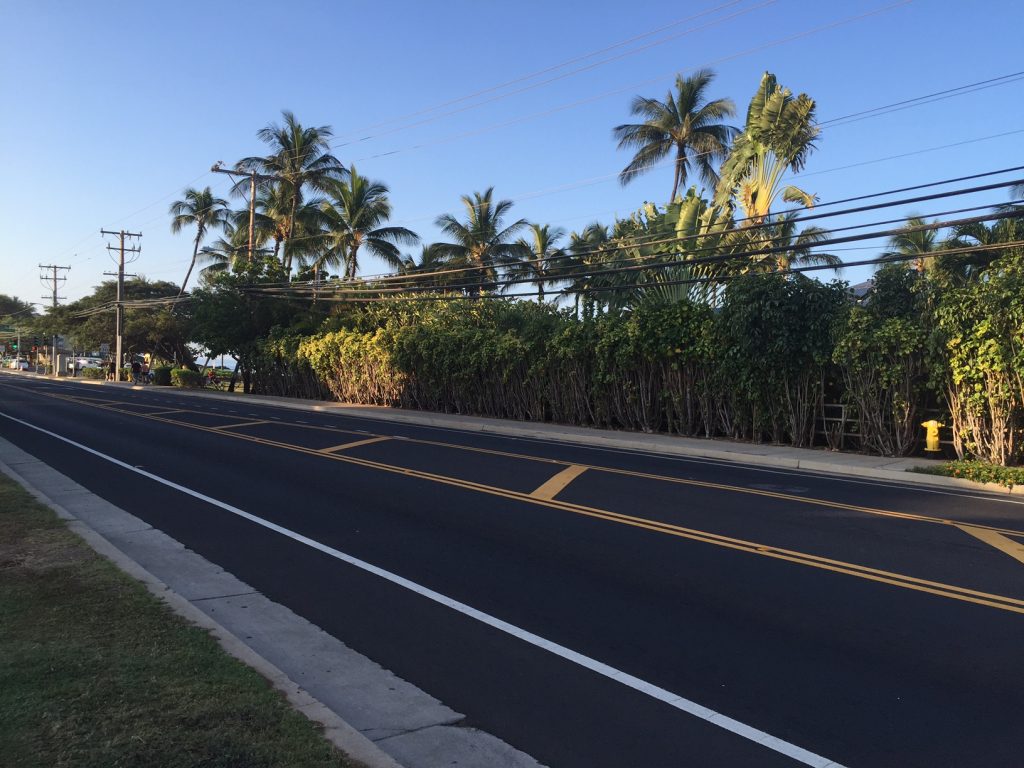
Clean streets of Maui, Hawaii
One of the first things we did as soon as we arrived was attended Luau. It was a buffet at a resort in South Maui, Wailea – an event full of music, dance and orchids showcasing Polynesian culture. This is a must do to experience Hawaiian-Polynesian culture.
WEATHER
It was on average 82 degrees Fahrenheit (approx. 28 degrees Celsius) on the island in February 2016. Everyone here surfs. When it’s a day off or a weekend, all they do is surf. Locals’ main activities are all water activities, everyone here has a perfectly toned body.
I recommend at least a week-long stay. Rent a car. It’s relatively easy to drive around.
PLACES
West Maui: Lahaina West Maui’s Lahaina area has a few awesome museums where you can learn about the history of Hawaii and its people. Interesting thing I found out about this state; after becoming a part of the US in late 50s – Hawaii’s own Polynesian culture started deteriorating. Future generations would only speak English, their native tongue was slowly disappearing. It wasn’t until early 2000, that Hawaiians deliberately made an attempt to revive their culture. For a state that seemed to start late, I was very impressed by their heritage preservation efforts. People here are multi-lingual, they have very well adapted to the American setting, keeping their culture in tact – also very cleverly integrating it with tourism.
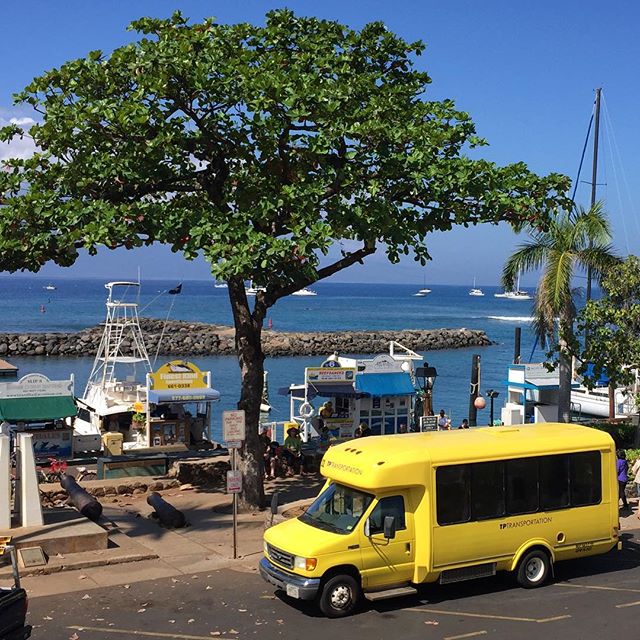
Lahaina
PARKING (West Maui) Parking can be a big issue in Lahaina. Parking tip:> There are plenty of free public parking lots in Lahaina. But if you can’t find one. Right between the intersection of Dickenson St/Luakinu St and Dickenson St/Waine’e St you can find ‘Republic parking’; for 3 – 8 hrs it costs $5. If you park just a block ahead (closer to the main Lahaina market) It costs $5 for 1-2 hrs [2016 rate].
Lahaina is a great area to walk around, it is one of the main tourist areas on Maui. Awesome places to dine, one of which is, Cool Cat Cafe: – I recommend: Blue suede shoes cheese burgers – for the lovers of blue cheese burgers.
Best beach is in the Kaanapali area. About a few minutes (drive) north of Lahaina (although technically the same area). Kaanapali has a big mall (Whalers village) where you can park your car but it’s expensive. We were lucky enough to find a public parking spot, which is right next to the mall. If you get confused, ask the vehicle ticket person at the mall to point you to the public parking space.
South Maui: Kihei
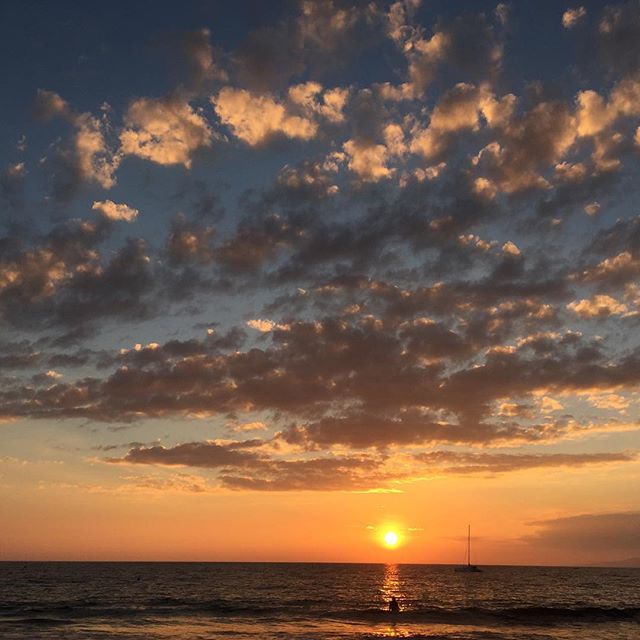
Our hotel was on the south side of Maui. Tourist mainly flock western side – but we chose South side – as we had read in the reviews that the south side would be less crowded. Our hotel was just across an awesome beach from where you could get the best sunset view on Maui. All beaches are public on the island of Maui.
Sunset – Kihei, Beach area
Food (South Maui , Kihei)
Closer to the hotel we stayed at there was> Cafe O’Lei: This was about 6-min walk from our hotel.
Recommend: Li Hing Mui Margarita
Coconut’s Fish cafe: A few minutes drive from our hotel (30-35 minutes if you walk fast). According to CNN Coconut’s Fish cafe is one of the best top 10 food joints in the US. I would say, it does live up to the hype.
Both affordable.
East Maui
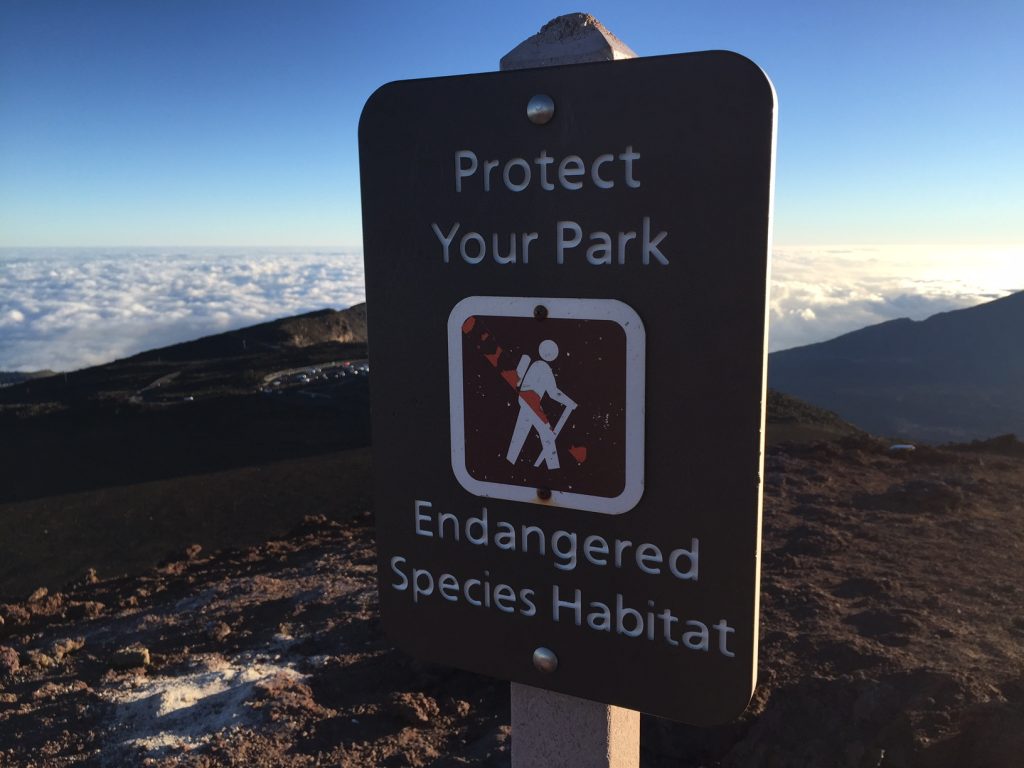
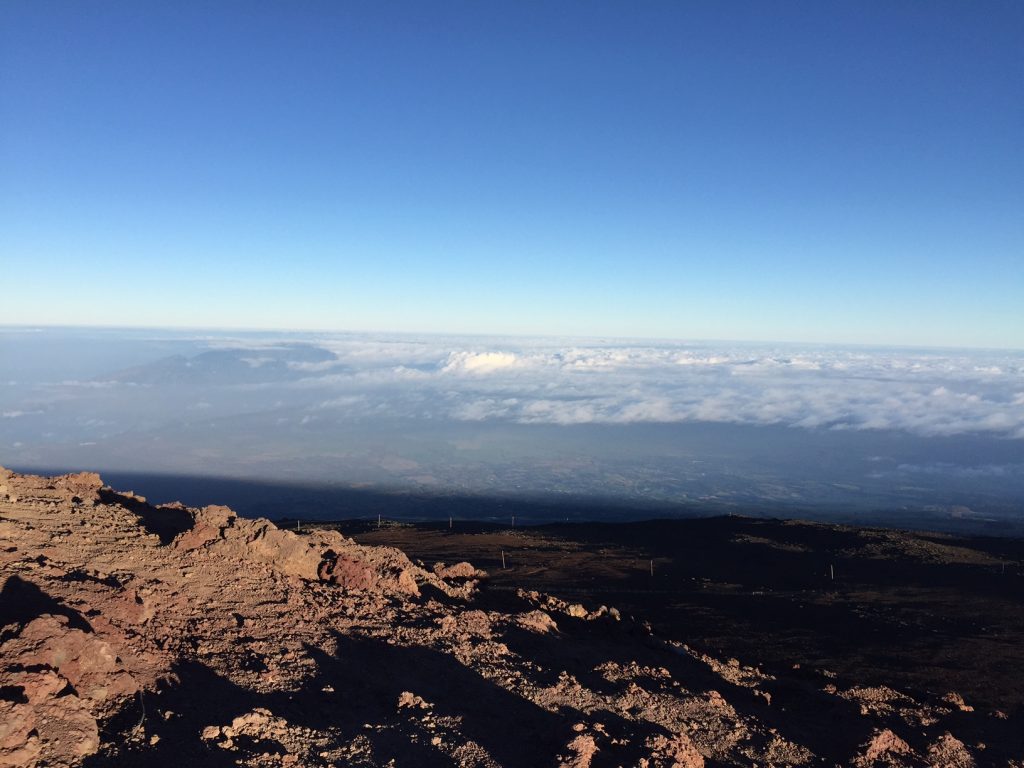
East Maui is all Haleakala – also the no. 1 biggest attraction of Maui. Haleakala mountain offers hiking experience, watching sunrise 10,000 feet above sea level, wildlife spotting, walk through a mystical bamboo forest. It’s a natural beauty jackpot.
Activities:
Haleakala
Haleakala Summit
Haleakala is humongous – considering 75% of Maui is all Haleakala – there is so much to do here in each side of Haleakala.
Road to Hana (all day trip)
Watch sunrise: Make sure to wake up early for this. To get there on time, you have to leave your hotel room by 2:45 a.m. if you are on the South side. For those living on the west side, will have to leave even earlier.
Explore the Haleakala mountain. Go for hiking. We tried, Halemau’u trail and Hosmer’s Grove trail
Part of the Haleakala National park> Pipiwai Trial: This trail was something out of a dream. Nothing like I had seen before, forest full of bamboo, gave me goosebumps – very mystical and spiritual.
Haleakala Summit
North Maui
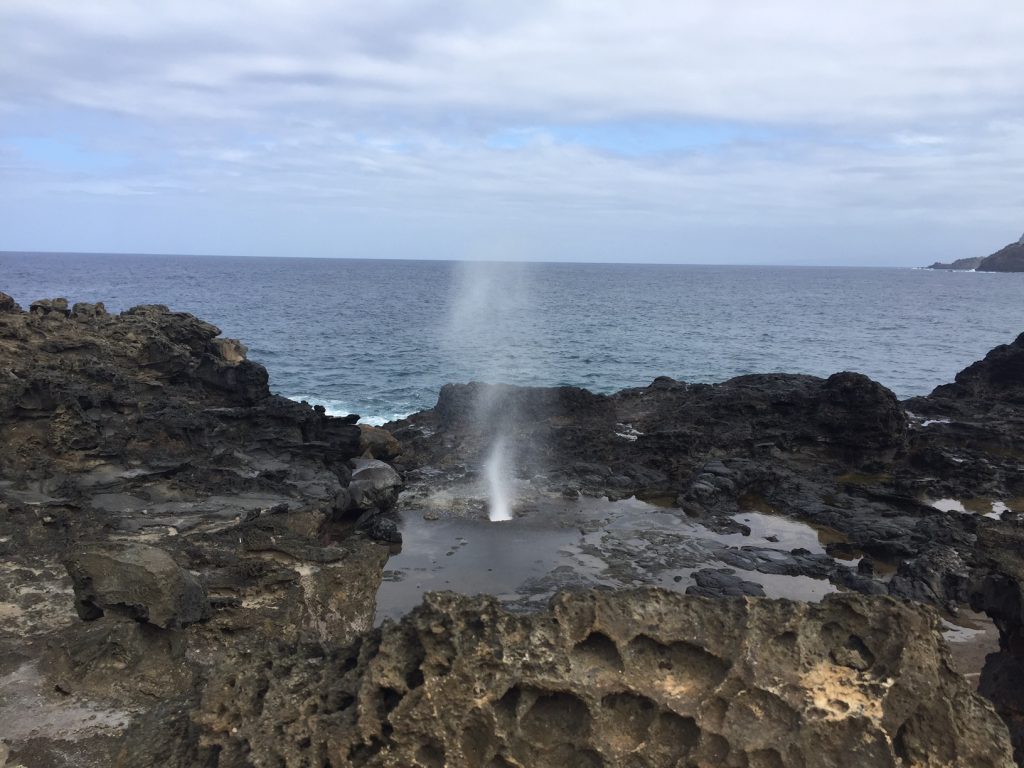
We were on the island for 8 days – so after we were done with all touristic activities – we had enough time to also check out the Nakalele Blowhole. If you do not have enough time – you can skip this. But if you do, do not miss out. It isn’t a protected area, hence you will see plenty of sign boards saying something like, ‘..explore at your own risk’. Please do not go so close to the blow hole, it is in fact very dangerous. Blowhole area looks a bit like alien planet. It took about 2 hours drive to get to this place from Kihei (south Maui).
Nakalele Blowhole, North Maui
Overall Must dos:
Attend Luau
Explore all the best beaches of west (Kaanapali) and south Maui (Kihei).
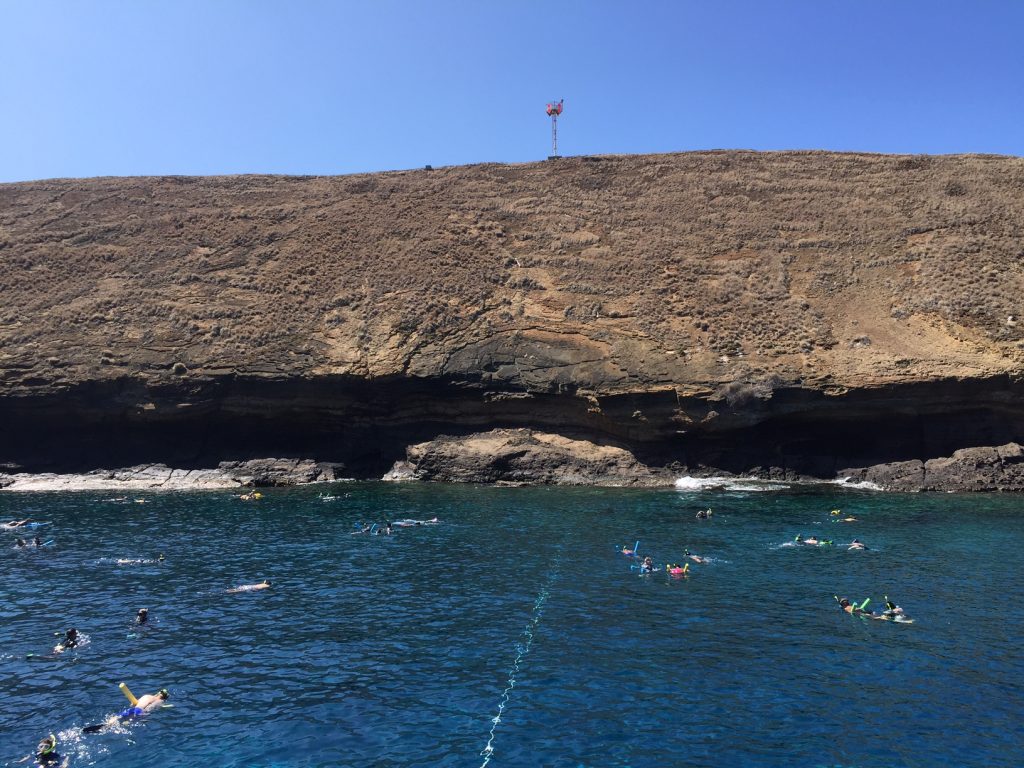
Go snorkeling: We went snorkling at Molokini crater. Water was absolutely divine. I have never seen water so clean. You can see all kinds of aquatic creatures from the boat, you don’t even have to jump in the sea. It was that clean! Molokini is a protected area, you are not allowed climb the rocks of Molokini. Snorkling will be limited within a certain area only. But highly recommend it for sure. Besides Molokini, this package also included watching sea turtle on south Maui. As a bonus, we also got to see humpback whales. Turns out it was a whale mating season, so there were multiple male humpback whales trying to impress one single female whale and ended up very close to our boat. Boats are not allowed within 100 yards of whales, but if whales decide to come close to the boat, there’s nothing the captain can do but stay put. It was an awesome sight!
Explore Haleakala: Watch sunrise, hike Pipiwai trail, and other trails of the mountain.
All in all, I found Maui very similar to Nepal. Hawaii is literally at the top most level in the landscape of international tourism. When I say, Maui is very similar to Nepal – I am not even kidding. Except for the ocean, everything else in Maui reminded me of Nepal. From long and winding road to Hana, to summiting Mt Haleakala, seeing the sunrise above the clouds, to beautiful weather – it felt very much like going back home. If such a small island can offer so much, Nepal being a bigger country would naturally have much more to offer, if only managed well. Still, having said that, Maui of course has its own charm that cannot be compared to any other place; especially its people and culture – very unique and one of a kind. If Maui is on your bucket list – I hope you wait no more to book a trip.
I had been wanting to work on an svg animation for a very long time. Finally managed to create this simple animation. There’s a lot more to work on, until then here’s a quick preview: http://shailiza.com/animation/
This was inspired by the awesome animation of Adam Coulombe.
Drawing in Illustrator – grouping each object appropriately.
Further edited svg file.
Added CSS, JavaScript. Majority of my time was spent in Illustrator and CSS.
Followed by endless debugging.
Adam has done a great job explaining the process. I recommend you to go through his post.
Note: This only works when run from the HTTP protocol for security reasons. If you are having issues getting the SVG to load, be sure you are testing from a web server or running on localhost.
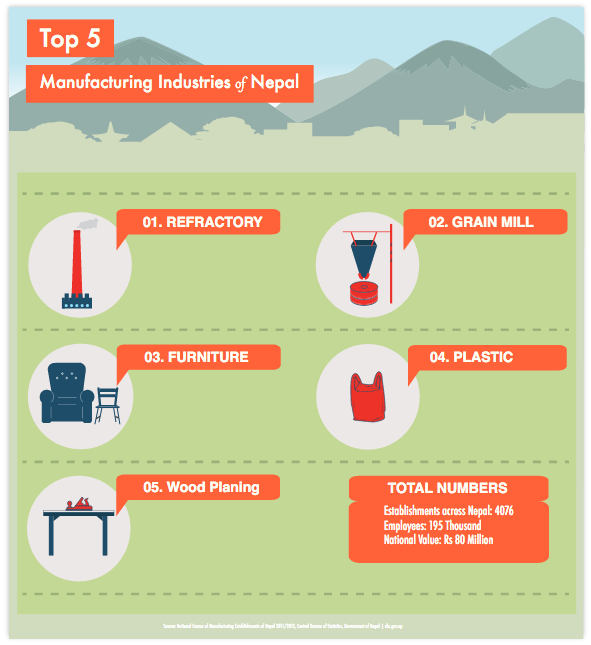
Top 5 Manufacturing Industries of Nepal
Data Source: cbs.gov.np. National Census of Manufacturing Establishments of Nepal 2011/2012, Central Bureau of Statistics, Government of Nepal.
My cousin asked me if I could add people to an existing layout and so I did!
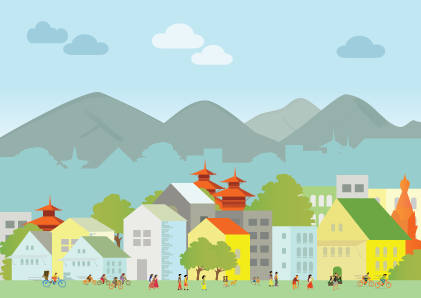
Again, I’m providing A4 size Illustrator (AI) and PDF (with illustrator editing capabilities preserved) versions of Kathmandu skyline with people walking and cycling. You can manipulate the layout for brochures, presentations, posters or for any other purposes.
I am providing A4 size Illustrator (AI) and PDF (with illustrator editing capabilities preserved) versions of Kathmandu skyline. You can manipulate the layout for brochures, presentations, posters or for any other purposes.