Wait, it’s already December! I’m still catching up, could we please get 48 hours in a day?
Anyway what’s been on repeat for me in Q4?
Ekdev Limbu: Jhim Jhimaune Aankha What an incredible run he’s had. I’ve loved the Hindi version just as much. I don’t even remember how I first came across this song. Most likely through an Indian YouTube short—but I’m glad I did. I’m excited to add another artist to my playlist. I hope his popularity skyrockets globally and that he keeps dropping amazing beats.
KPop Demon Hunters My kids watched this during July 4th travel break. At first, I thought it was just a collection of songs. I didn’t even realize it was a full-fledged movie. I only sat down to watch it to make sure it was appropriate for kids, but by the end I was genuinely impressed by its overall message. From a messaging standpoint, I’d say it’s one of the best movies of 2025. And thanks to this movie, my playlist has been completely taken over by Kpop. I’m now familiar with every member of Blackpink and more. Korea is becoming incredibly influential—from beauty to K-pop to movies. There’s really no stopping them. I even noticed so many kids dressed as Demon Hunters characters this Halloween. Anyway, I heard part 2 is already in the works, and that’s definitely something to look forward to.
First and foremost, I finally mustered the courage to drive on the freeway. I’d been living with anxiety around it for a while, but I overcame it in 2024. What a relief!
2024 was also the year of grounding myself with my authentic self. I realized I don’t need to be the smartest or the best—I just need to be me. It’s been a journey, and I’ve learned that being oneself doesn’t always come naturally due to the baggage we carry from our upbringing. In 2024 I became acutely aware of this and started working through it. There’s been a lot of growth in 2024, and this is just the tip of the iceberg. The internal shifts that were triggered have gained momentum, and I hope they continue indefinitely. I just want to be me—leading with curiosity, grounded in confident humility.
On the work front, with massive support from the team we successfully implemented a solution that had been in the pipeline for a while. I love what I do. Implementation is definitely my strength, but recently, I’ve been challenged to think more strategically, to be bold, and to step into uncharted territories. The growth that’s come with it has been insane.
On both a personal and professional level, though, I’m still a work in progress—and I always will be. But I’m committed to being even more disciplined in 2025 and beyond. I want to continue writing, speaking, and becoming more of the person I want to be—a leader with confident humility. As Adam Grant would say, someone who believes in her abilities but also recognizes that she doesn’t always have the right solution or may not even be addressing the right problem. And that’s okay. Doubts are cues to improve my tools.
Here’s to 2025—a year for more growth, more learning, more compassion, patience, and even more lessons in leadership!
Here are some intriguing individuals I’ve been following recently, visuals that have captivated me, or sounds that have lingered with me for a while:
Ritviz: I’m proud to say I discovered Ritviz through the Tidal algorithm back when I had a subscription—yay for technology! I stumbled upon his music a few years ago, but only recently took the time to learn more about him. Turns out, he’s just a young guy in his 20s—such incredible talent! When it comes to music, it’s usually the sound that grabs me, and Ritviz’s sound is something I can enjoy anytime, anywhere. Not just a few singles, but entire albums! What a genius!
Sajjan Raj Vaidya: As a Nepali, it’s impossible not to listen to Nepali artists. Sajjan Raj Vaidya’s music had been reverberating through my household long before I started listening to him. I’ve heard hit songs are often created by repeating the same track over and over again and that’s exactly what happened in this case. With the same song on repeat around the house, I eventually I started enjoying his songs. Some of my favorites from Vaidya include; Suna Kaanchi, Phutki Jaaney Jovan
Raj Shamani: I’m so happy that in the age of short tik tok videos, the long-form content like podcasts is making a strong comeback. Podcasts are, without a doubt, my favorite medium. The depth and intimacy of the conversations reveal so much about the topics and guests—it’s truly impressive. Among the many podcasters from India, Raj Shamani stands out. His authenticity and thoughtful choice of topics resonate with me the most.
Mel Robbins: Mel Robbins is another inspiring figure I’ve been following for a while. As I actively search for quality content online, hers is something I can’t recommend enough. These days, many podcasts tend to feature the same rotating list of guests, but Mel’s episodes stand out. Give her podcast a listen—you’re bound to hear something fresh and thought-provoking that you won’t find elsewhere.
Adam Grant: Think again: the power of knowing what you don’t know Adam Grant is one of my favorite Americans. I admire the way he thinks—it’s evident that his perspective stems from deliberate learning and growth, as he highlights in one of his books I’m currently reading. I’ve been following his work for quite some time, and it’s his deep expertise in leadership and management that keeps me coming back for more. After finishing Think again, I plan to share a summary of each chapter here on the blog. Stay tuned!
Doctor Sleep: Every Halloween, I get excited about horror movies—[wow, forget Halloween; we’ve already passed Christmas, and now it’s 2025!] Usually, I stick to PG or PG-13 films [I have young kids], but after a while, I crave something that really gives me a jolt—and horror always does the trick. Hollywood horrors can sometimes fall short on the scare factor, but Stephen King’s Doctor Sleep was an absolute standout —A+. I didn’t realize at the time that it’s actually a sequel to The Shining. If you haven’t seen either, here’s my advice: start with The Shining and then dive into Doctor Sleep. You won’t be disappointed!
Clearly, these individuals are just a handful among the many I’ve been following. As I plan to write more, I’m hoping to turn this into a quarterly series highlighting other fascinating individuals. Wish me luck!
I have a deep appreciation for American culture that nurtures a love of reading. We’ve been reading books to our daughter since she was only a few months old. She reads every day and expects us to read her bedtime stories every single night. It is very endearing to witness her love of reading.
I come from the land of myths and folklore. We grew up on stories of Mahabharata, Ramayana. Being born in a Buddhist family we also invited monks in our home for ‘Paritran’ to share stories of Buddha’s teachings. Storytelling is embedded in our culture. But most of our stories were so soaked in religion, I feel like I never really inculcated the habit of reading, solely because I wanted to stay away from the influence of any religion. Some of my very good friends however, grew up reading and they still are such voracious readers. I remember being curious, but not enough to feed my curious mind. Maybe the kinds of books I wanted to read were not available. Perhaps my options were limited. Perhaps they were too expensive. The reasons are plenty!
I think about how I would possibly tell a tale of Mahabharata to my daughter, a kid’s version would probably do the trick! I doubt it if kids versions of these mythological stories are even available in the market.
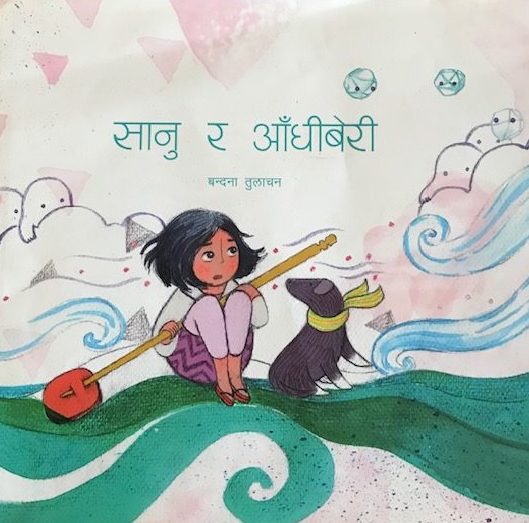
Saanu Ra Aadhiberi
But fast forward today, Nepal’s own reading culture is growing immensely. With Nepali authors like Narayan Wagle, Manjushree Thapa, and Buddhisagar stepping into the international market, it is exposing Nepali stories to an ever-growing audience. So the trend in Nepal is very promising. Even the Nepali movies today celebrate authentic Nepali narrative. With globalization, it seems the need to tell our own story is gaining bigger momentum. And I’m all for that!
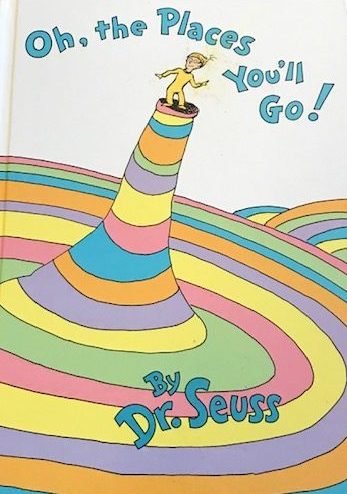
Oh, the places you’ll go
Coming back to America, one of the reasons why the reading habit is an intrinsic part of its cultural fabric, is the way the system works. There are great networks in place to support this reading culture in America. One good example is Dolly Parton’s Imagination Library. Available countrywide (even worldwide to an extent) and bolstered in the community level. They send in free children’s book every month until the child is five. Since we’ve signed up, our daughter has been getting brand new books every month. Some of her most favorite books are from Imagination Library. I hope someday in Nepal, we can have a similar mechanism in place to support young kid’s love of reading.
Also, you can buy second-hand books for so cheap in thrift stores across America. There is that system of sharing and recycling, which I don’t think is prevalent in Nepal. Our per capita income is so low that our first worry is how to put the food on the table versus what story to read.
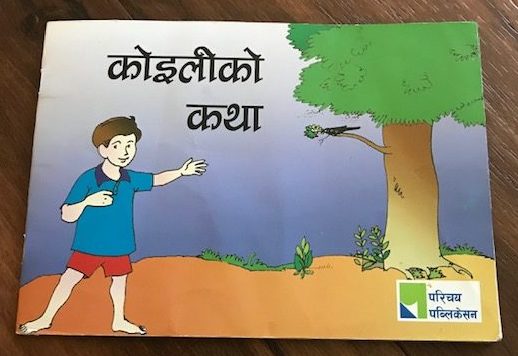
Koili ko Katha
But having said all of that, today’s Nepal is so much well-read than the Nepal I grew up in. Some of my daughter’s favorite books are also in Nepali (some of which I have shared on this post). There is now growing support for the illustrators, the writers in Nepal, and I hope this trend only continues to get bigger and better!
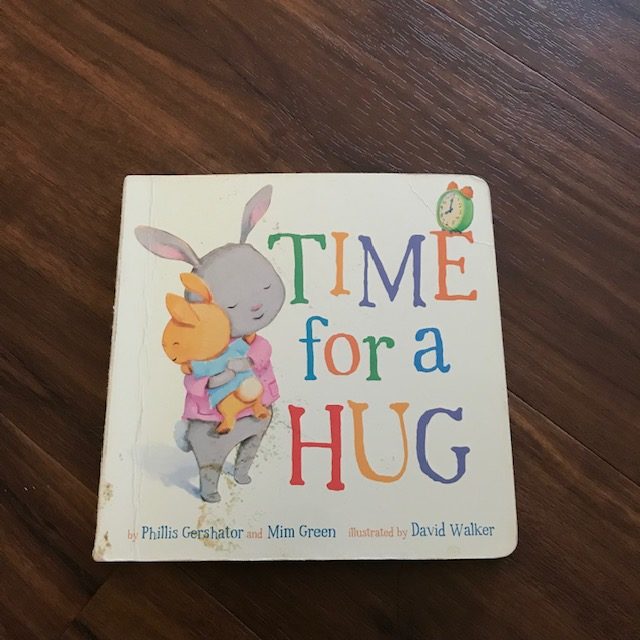
Time for a hug
Here’s to our love of reading!
Pictures shared on this post:
Sanu and Andhiberi – written and illustrated by Bandana Tulachan. Translated by Samip Dhungel
The idea of protecting lands by the government for the preservation of wildlife, educational opportunities and enjoyment of general public and future generation is probably the best idea ever hatched in the history of human kind. Although the very first national park of the US was established back in the late 1800s. The National Park Service wasn’t set up until early 1900s, that serves all national parks, national monuments, public parks and national memorials of the US.
This year the National Park Service of America celebrated its 100th year. One very effective way of understaning this vast country is through its national parks. There’s definitely more to America than the most popular rhetoric that tends to revolve around its politics. But real America is rarely portrayed in media. So, I hope you ignore the bullshit that spreads the inaccurate depiction of this nation and instead focus on a myriad of treasures that this country has to offer, national parks being one of them.
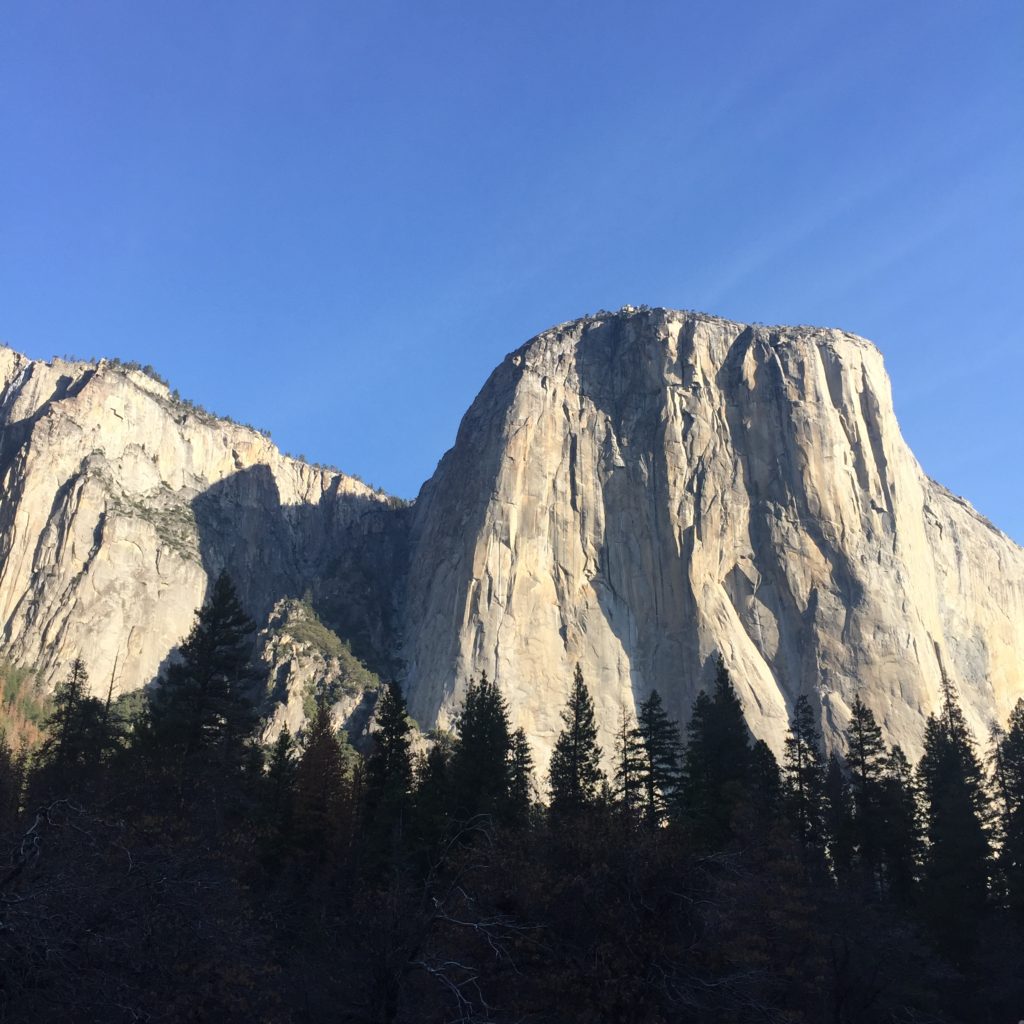
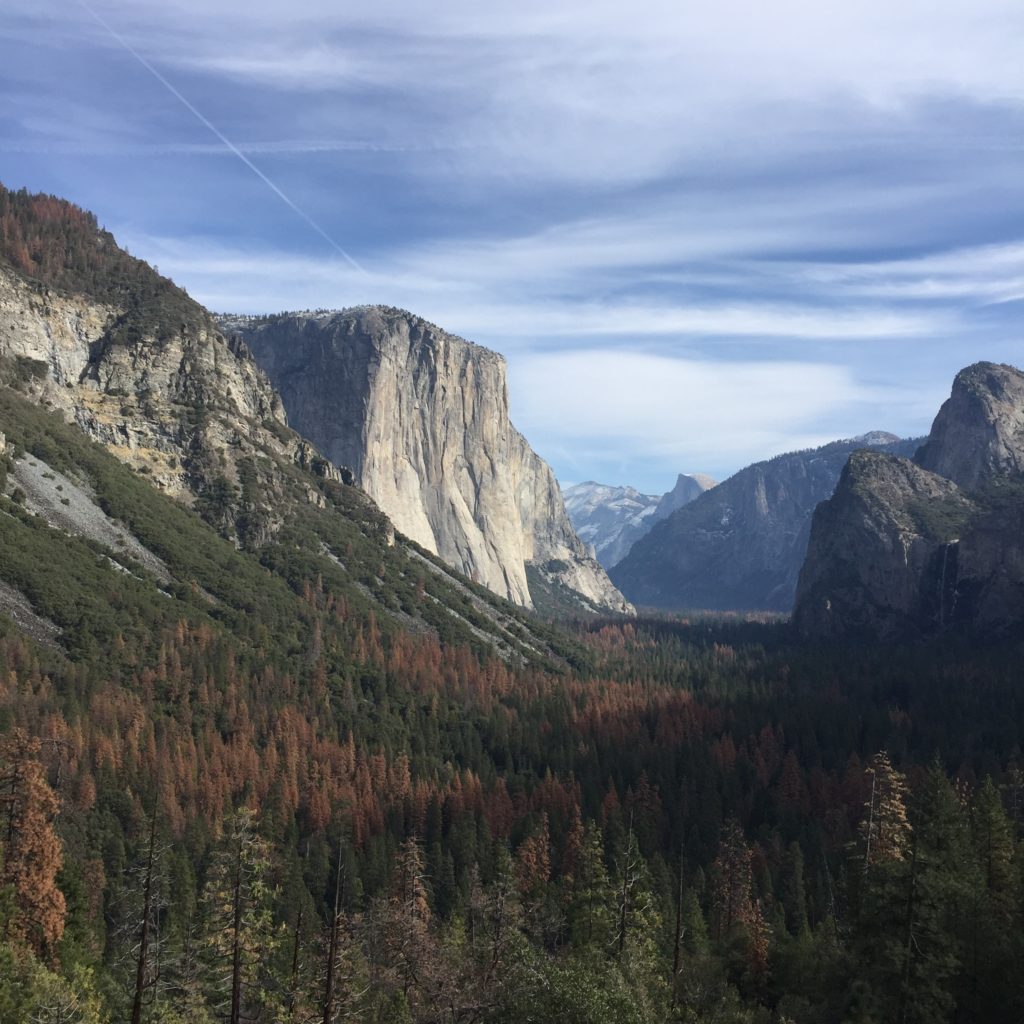
El Capitan, Yosemite National Park
My father paid us a visit close to Thanksgiving this year, he had never been to the west coast of USA. So, we thought it would be a good idea to show him the great state of California. I have been to all major cities of this amazing state, and thought I knew enough. Turns out that wasn’t the case, this road trip from southern to northern California opened my eyes to the California, I had never known before.
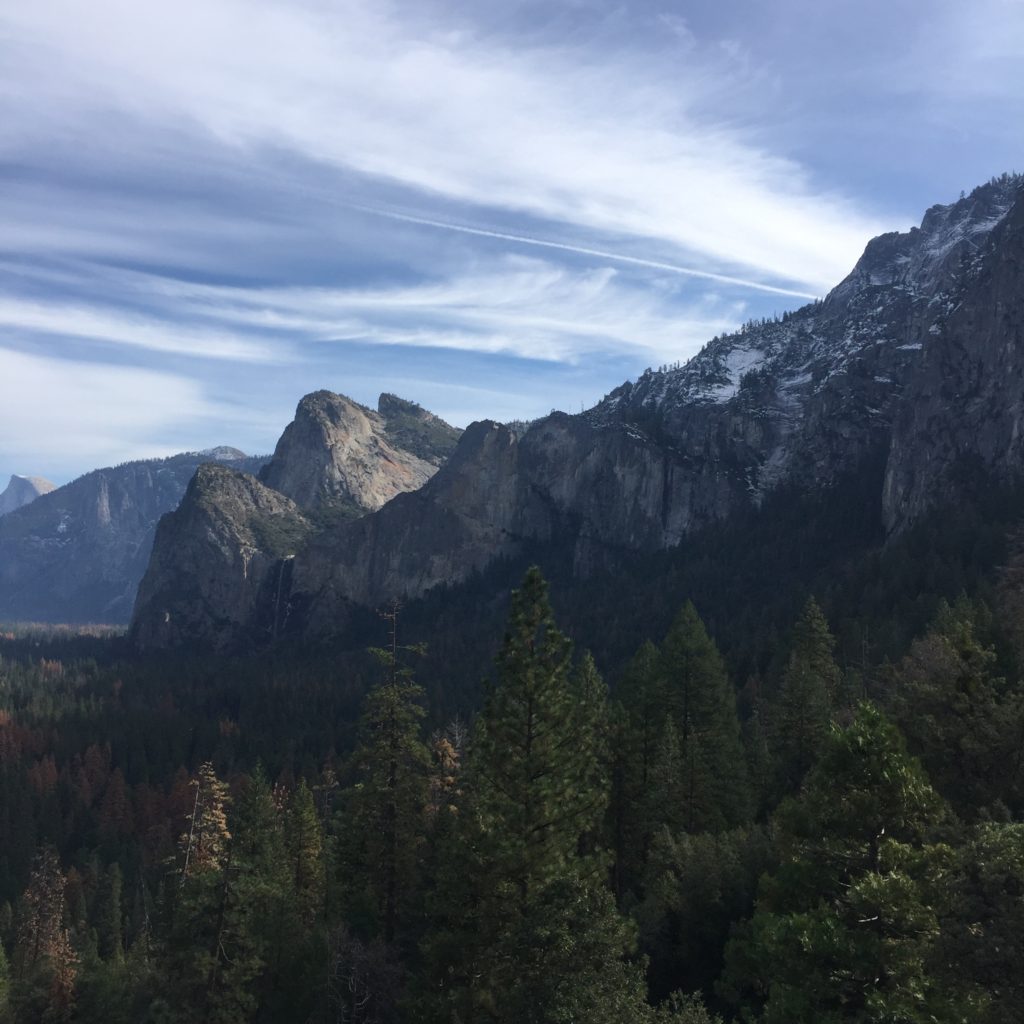
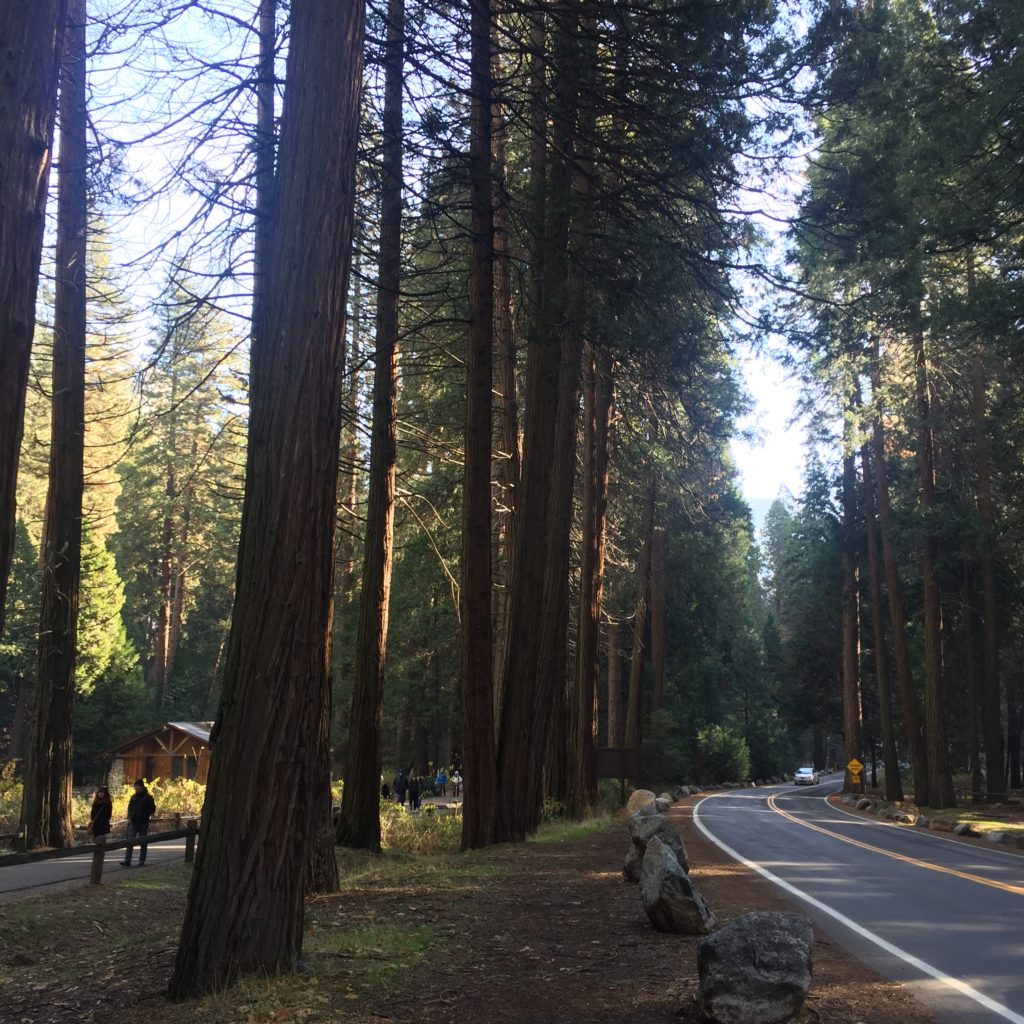
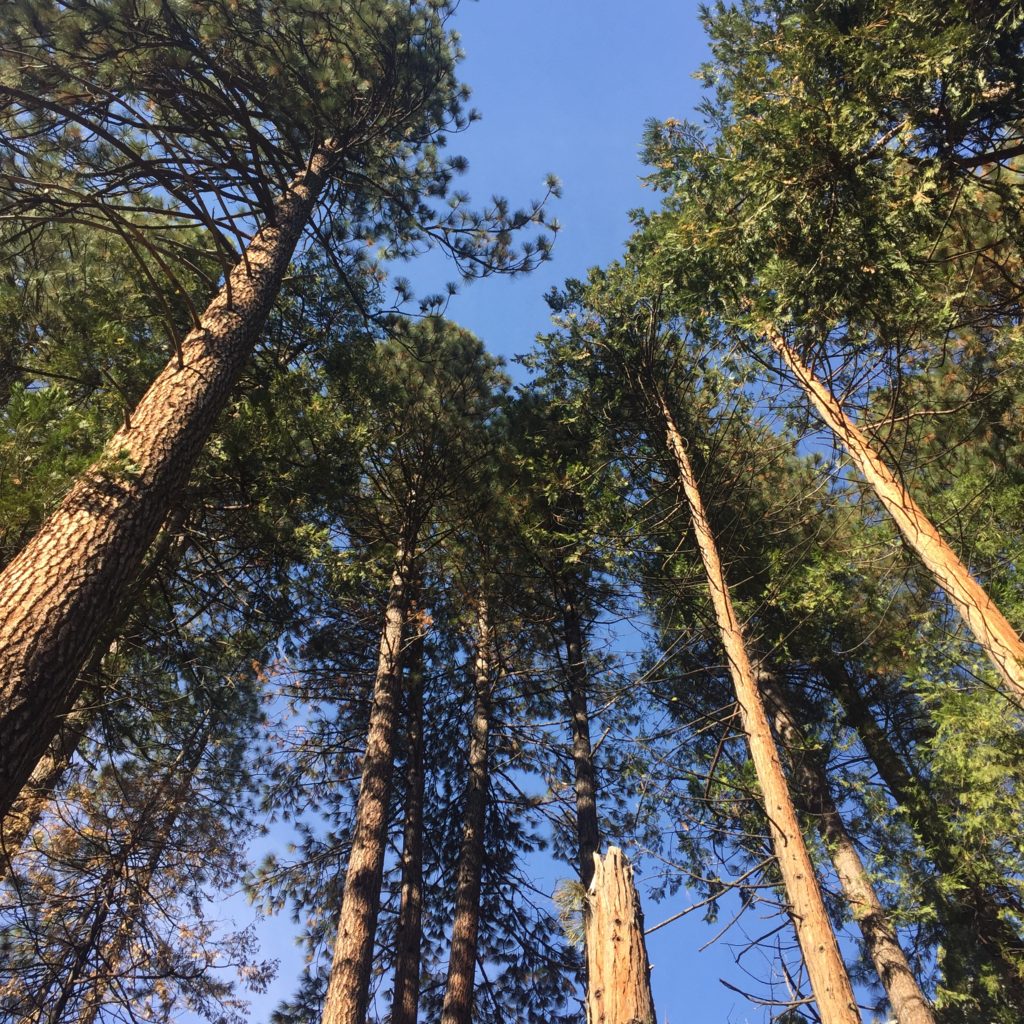
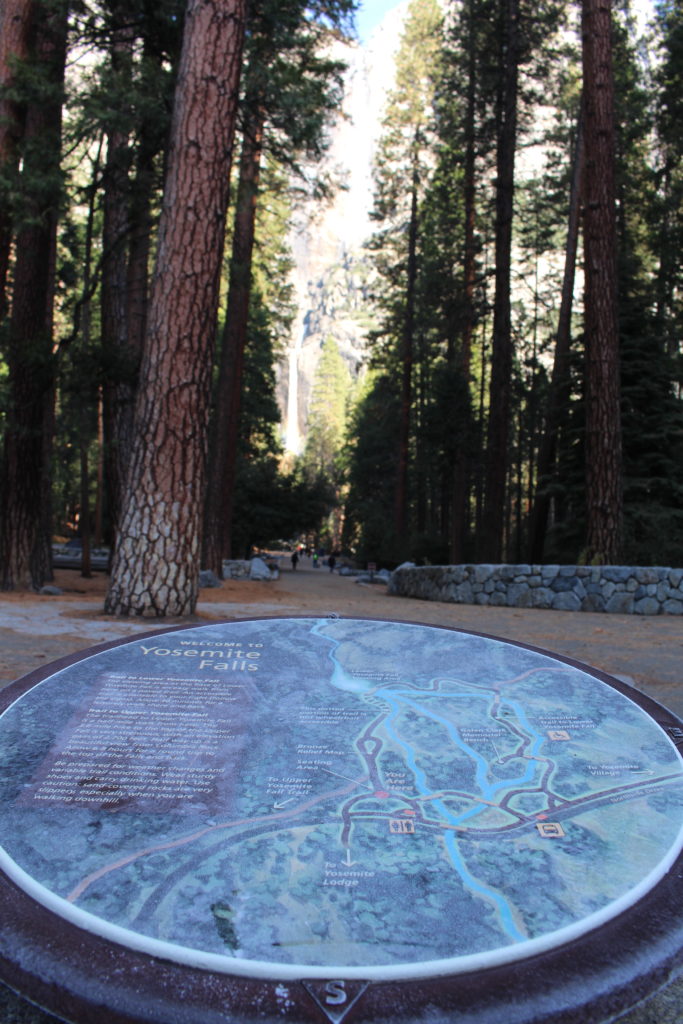
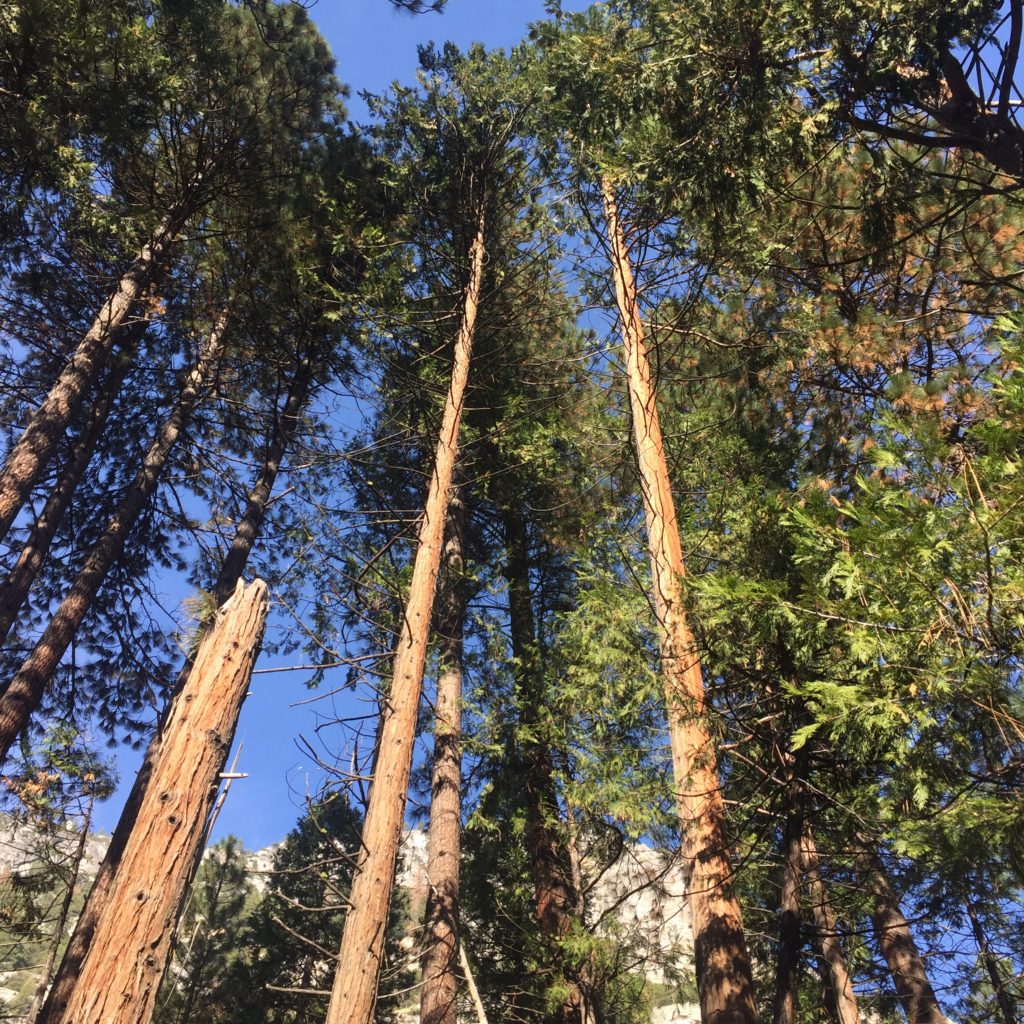
Ladies and gentlemen, below I give you a few glimpses of one of the most amazing national parks of the United States of America:
The Danger of a Single Story by Chimamanda Ngozi Adichie
Watch this TED talk and discover yourself as Chimamanda Adichie exposes your biases against the world and reveals, how a single story can skew your world view. After watching this, I hope you’ll give people a chance. A chance to show you, who they really are.
The Best Stats You’ve Ever Seen by Hans Rosling
As advanced data analytic tools become ubiquitous, as people start learning statistical programming languages – it will only enable more people to use data. Regardless of the protest behind ‘democratization of big data’, people will continue to work on making sense of data to seek a better understanding of the world they live in. And this is one of the many gems generated through free visualization tool developed by Hans Rosling’s own nonprofit Gapminder (software has now been bought by Google).
We should All be Feminists by Chimamanda Ngozi Adichie
This is Chimamanda Adichie’s second video I am recommending. Since I’ve discovered her work – I have grown a huge admiration for this lady. In this TED talk, Adichie beautifully puts everything that I ever wanted to say about being a feminist.
Educating a New Generation of African Leaders by Patrick Awuah
The reason this is one of my favorites is because I relate to the conditions of Ghana to an extent. West African countries like Ghana and Nigeria are in far better position than Nepal. I am definitely not comparing these countries, but our struggles are very similar. Year after year our political leaders make new promises. At the end, we are led nowhere. So, where does the solution lie, is something Patick Awuah tries to answer on this TED Talk.
I had been wanting to work on an svg animation for a very long time. Finally managed to create this simple animation. There’s a lot more to work on, until then here’s a quick preview: http://shailiza.com/animation/
This was inspired by the awesome animation of Adam Coulombe.
Drawing in Illustrator – grouping each object appropriately.
Further edited svg file.
Added CSS, JavaScript. Majority of my time was spent in Illustrator and CSS.
Followed by endless debugging.
Adam has done a great job explaining the process. I recommend you to go through his post.
Note: This only works when run from the HTTP protocol for security reasons. If you are having issues getting the SVG to load, be sure you are testing from a web server or running on localhost.
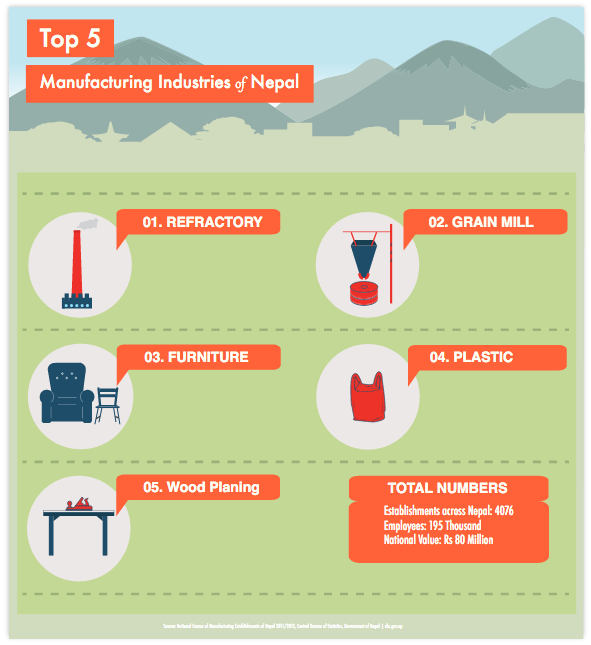
Top 5 Manufacturing Industries of Nepal
Data Source: cbs.gov.np. National Census of Manufacturing Establishments of Nepal 2011/2012, Central Bureau of Statistics, Government of Nepal.
My 2015 was about more doing and less talking. On the personal front; I worked on this map, due to other priority one tasks, coupled with my laziness and other projects I started that are yet to complete – unfortunately didn’t at all work on Quiz. My priority for 2016 will definitely be Quiz, D3 projects similar to Nepal literacy map and other aspects of my own site.
All I have for my year-end blog post are these words by Seth Godin:
–##–
The first lie…
is that you’re going to need far more talent than you were born with.
The second lie is that the people who are leading in the new connection economy got there because they have something you don’t.
The third lie is that you have to be chosen.
The fourth lie is that we’re not afraid.
We’re afraid.
Afraid to lead, to make a ruckus, to convene. Afraid to be vulnerable, to be called out, to be seen as a fraud.
The connection economy isn’t based on steel or rails or buildings. It’s built on trust and hope and passion.
The future belongs to those that care and those that believe.
–##–
This year I had the opportunity to witness Seth Godin speak live at an event.