Author Archives: admin

A love letter to Kathmandu

The Kathmandu I grew up in and the Kathmandu of today feel like two different cities.

Every time I return, a part of me mourns the place I left behind, and another part celebrates what it has become. Kathmandu is no longer just the city of its native dwellers. It has become home to Nepalis from far and wide. It has grown, expanded, and embraced everyone.

They say the only constant in the world is change. Kathmandu has embraced that change and in many ways, moved on without me. Sometimes that bruises my ego. But the truth is, I left too. I left because I wanted to see the world.

Do I love my current city, Charlotte, North Carolina, as much as I love Kathmandu? I think I do. Though Charlotte could certainly improve its weather to rival Kathmandu’s. When it comes to clean air, however, Charlotte stands out without question.

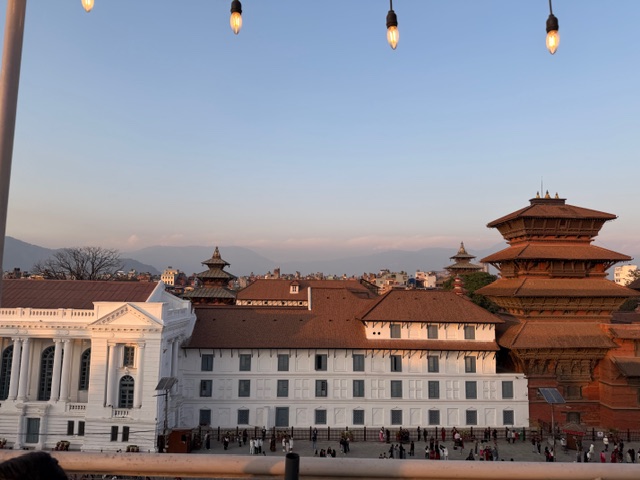
Still, I am a true Newar, born and raised in the heart of Kathmandu, in Tyauda, Ason to be specific. The narrow lanes of Ason Bazaar, the opulent Durbar Square, the intricate architecture and deep rooted culture, no other city compares when it comes to cultural heritage. I grew up in what felt like a living museum, surrounded by centuries of history at every turn.

And then I found myself in one of the coldest states in the US. For the first time, I understood what it meant not to belong. In that distance, Kathmandu became even dearer to me. Since then, I’ve made my way to the southern part of the US.

Charlotte, in the southern United States, has its own charm. North Carolina offers everything, mountains, rolling hills, and something Kathmandu does not have: breathtaking beaches. Which one wins? Kathmandu or Charlotte? It’s impossible to choose.

One is my janmabhumi — the land of my birth.
The other is my karmabhumi — the land of my work and growth.

Both cities have shaped me.
Both cities hold my heart.

But I have to admit, at the end of the day, I will always choose Kathmandu. It’s where I was born, where I can always return and where my heart first learned to belong.

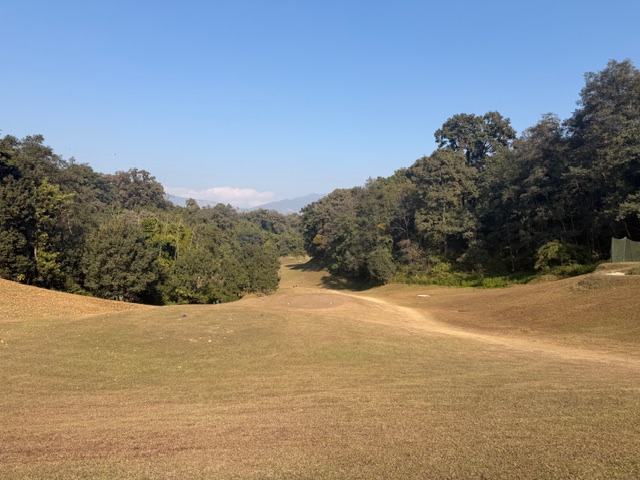
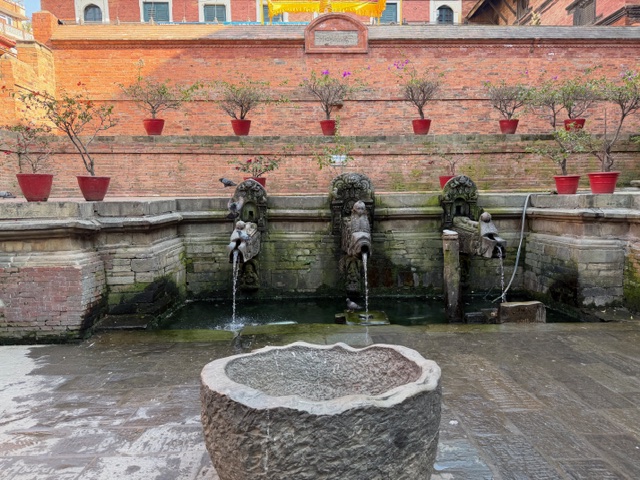
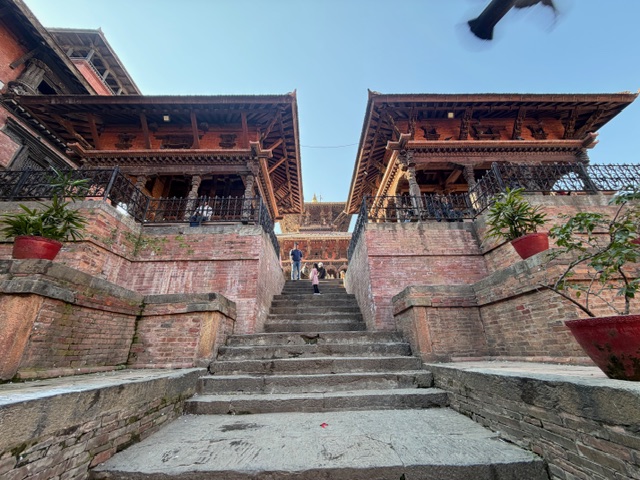
Below is a glimpse of my recent trip to Kathmandu.


Nepal Tripping

One of the highlights of 2025 was travel.

We took our first trip to Europe with a visit to London, and locally enjoyed some amazing getaways to the beaches of North Carolina, and even made it to the Wisconsin Dells, where we stayed at my cousin’s place and had a blast with all the water activities. Added in our regular trip to Chicago, and topped it all off with a trip back home to Nepal.

Looking back, 2025 from a travel standpoint was incredible. I’ve been making more frequent trips to Kathmandu, and honestly, most of the time, as soon as I arrive, I’m ready to leave. This time felt different. I really wanted to take a road trip outside of Kathmandu, and I think that alone changed everything. I enjoyed this trip thoroughly. We didn’t go very far, but hey, Kurintar wasn’t so bad.

A few things that impressed me: 

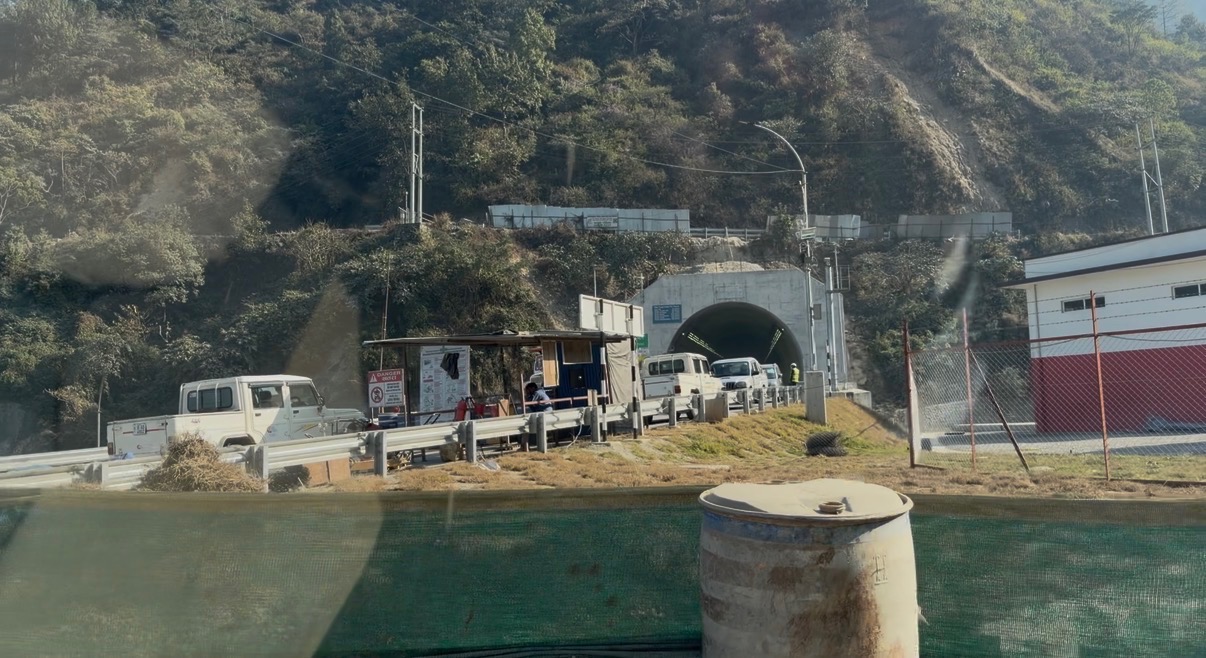
Tunnel

I got to witness the big new tunnel from a far.

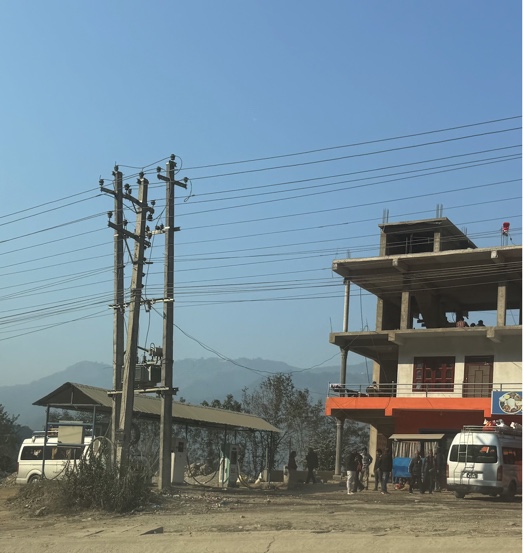
Electric cars are taking off in Nepal, charging stations seem to be everywhere.

Charging station
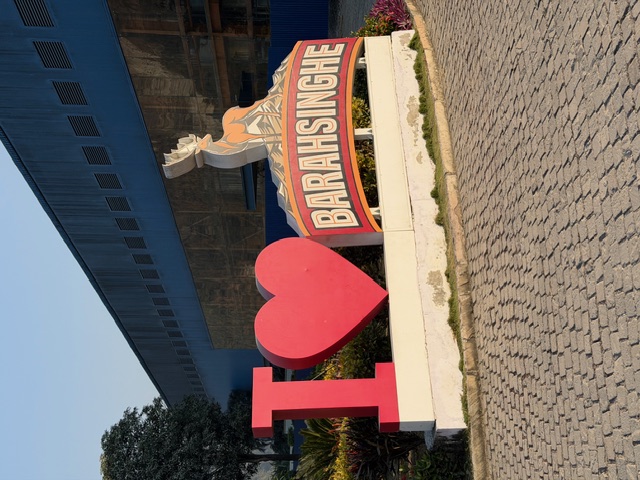
Barahsinghe

Barahsinghe brewery in Kurintar.

This was a quite a a hip and happening venue, especially for being in a middle of nowehere. Or maybe that was the whole point, to attract people looking to escape the urban jungle and unwind in the middle of nature. They had a great variety of beers and excellent food!

Barashinghe brewery property

Barahsinghe

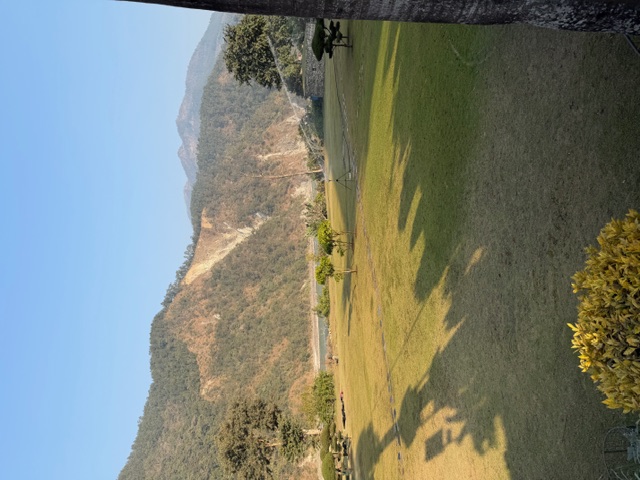
Not surprisingly, I still love the sound of a river. This is the Trishuli, rushing through.

Trishuli raging through

Current Playlist: Q4 2025

Wait, it’s already December! I’m still catching up, could we please get 48 hours in a day?

Anyway what’s been on repeat for me in Q4?

Ekdev Limbu: Jhim Jhimaune Aankha
What an incredible run he’s had. I’ve loved the Hindi version just as much. I don’t even remember how I first came across this song. Most likely through an Indian YouTube short—but I’m glad I did. I’m excited to add another artist to my playlist. I hope his popularity skyrockets globally and that he keeps dropping amazing beats.

KPop Demon Hunters
My kids watched this during July 4th travel break. At first, I thought it was just a collection of songs. I didn’t even realize it was a full-fledged movie. I only sat down to watch it to make sure it was appropriate for kids, but by the end I was genuinely impressed by its overall message. From a messaging standpoint, I’d say it’s one of the best movies of 2025. And thanks to this movie, my playlist has been completely taken over by Kpop. I’m now familiar with every member of Blackpink and more. Korea is becoming incredibly influential—from beauty to K-pop to movies. There’s really no stopping them. I even noticed so many kids dressed as Demon Hunters characters this Halloween. Anyway, I heard part 2 is already in the works, and that’s definitely something to look forward to.

Current Playlist: Q3 2025

For the past few days, I’ve immersed myself in a wide range of Nepali content—everything from protests to political commentary and just about everything in between. With Nepal preparing for elections in less than six months and moving toward the formation of a new government, I thought it would be timely, as part of my quarterly report, to highlight some of the voices I’ve found most compelling—many of whom I’m encountering for the first time.

Sagar Dhakal
As the protests escalated, my anxiety grew, and I found myself constantly glued to updates from Nepal. In that process, I came across Sagar Dhakal. In this podcast recorded two months ago, he shared his data-backed research on what could shape the upcoming elections. He argued that the 2084 Nepali year (2027 AD) election would be a watershed moment—explaining how many long-time party members had grown frustrated with the system, and could potentially pave the way for new leadership.

Since then, Nepal has already seen sweeping changes: a new prime minister, an upcoming cabinet, and fresh plans for elections within six months. Given this momentum, I can’t help but wonder if the shift Sagar predicted for 2084 might arrive earlier than expected. He comes across as genuine, insightful, and forward-thinking—exactly the type of person who could help shape Nepal’s new leadership. I wish him the very best.

Sumana Shrestha
Sumana is not a new discovery for me—I’ve known her since 5th grade, when we were classmates in same school. Having known her since childhood, I feel compelled to share a few observations.

When I saw her during the confirmation of the new prime minister, I believe she had already stepped away from her party. There may be all kinds of allegations directed at her, but what stands out to me is that the person she is today is exactly who she was back in school. She has always carried herself with integrity, and that quality is evident in the work she does now.

She doesn’t need to defend herself—her work speaks for itself. And frankly, I think it’s a blessing that she left her tainted party, because now she has the chance to chart her own path. I wish her nothing but the very best as she moves forward.

Nepali Gen Zs
Amidst everything that has unfolded, I’ve saved the best for last. Gen Z doesn’t always have the best reputation, memes about their habits flood social media daily. But I have to admit: Nepali Gen Z is different. In just a matter of days, they transformed the face of Nepali politics. Tragically, this came at the cost of many young lives. My deepest condolences go out to the families of those who were lost. Their courage was extraordinary. Even now, it feels surreal, almost like watching a film in real life. I can hardly believe it happened. I only hope the worst is behind us. However, an even greater task still lies ahead. In the coming elections, the voices of young people must be heard. We need capable leaders with vision, and without ego, who can truly serve the nation.

As the news began to trickle out last week, it became clear there was no single leader driving the protests. Instead, what stood out were the many voices rising in unity. I was deeply touched by how the protest leaders supported and uplifted one another. Their maturity was evident in how they acknowledged that they were not there to lead, but to demand change. In their voices and in their eyes, it was clear—all they wanted was a better future. That kind of self-awareness is a powerful sign that Nepal’s future is bright, and that they are more than capable of leading the nation when the time comes. My hope is that this truly marks the final revolution, one that ensures no other generation will ever have to sacrifice their lives again. I wish them nothing but the very best.

Nepal on my mind

Over the past few days, I have been weighed down by a flood of emotions—shock, heartbreak, disappointment, and anxiety. Yet despite everything, there remains a fragile sense of hope.

It reminds me of 2006, when Nepalis filled the streets demanding freedom, a movement that eventually brought the Maoists into mainstream politics. Back then, there was so much hope—hope that was later shattered by the ego of one man, who chose self-interest over the greater good of the nation.

And here I am in 2025, older, maybe a little more cautious, but still holding onto hope. I can’t wrap my head around how someone who has been in power since before I was even born still manages to cling to leadership. When I saw those videos of them being dragged to safety from angry mobs, I couldn’t stop wondering: did they feel even an ounce of regret for what they’d done to Nepal and Nepalis?

The real tragedy, however, is not the fate of politicians, but the lives of ordinary Nepalis. I think of the families who have lost their children—their dreams, their aspirations, their futures reduced to ashes.

As I write this, I am overwhelmed—by helplessness, by hope, by uncertainty. Also, relieved, in some ways, that the army has stepped in, but also worried—because armies, too, may have their own interests. And if those interests come at the cost of Nepal’s future. The question looms large: will Nepal ever see a leader who governs not for ego, but for the people and the generations to come? History reminds us that even good leaders can be blinded by power, but the hope for better leadership remains.

As I reflect, I’m thinking of everyone back home. My friends, my family, but most of all my little nieces and nephews—the next generation. I’m praying that what comes next will be for them, and for all of Nepal.

Current Playlist: Q2 2025

When I created my first playlist at the beginning of 2025, my intention was to do a quarterly check-in on what I’m listening to, reading, or watching.

For the most part, I’m still tuning in to the same artists, but here’s what I’ve been gravitating more toward lately:

  • Sushant KC: I guess he’s one of the new up-and-coming Nepali artists. I first heard his music in a YouTube Short not too long ago—while trying to watch how to make Nepali cauli aloo, and there was this beautiful song playing in the background and it made me look up the song. I suppose there are many ways to discover music these days, once of which is while trying to cook the food you want to eat.

  • Seth Godin: My natural comfort zone lies in tactics. I like fixing things. I’m wired that way. But lately I’m trying to embrace something I’ve always resisted: strategy. For some reason, I’ve always disliked the concept of strategy. Maybe because I’ve been part of too many ‘strategies’ that looked good on paper but fell apart in execution. So over time, I began to associate strategy with failure, with fluff—something disconnected from results. But lately, I’ve been relearning what strategy actually is. And the more I understand it, the more I realize: strategy isn’t about planning or managing—it’s about direction. It’s your compass. As Seth Godin says, ‘It doesn’t matter how fast you’re going if you’re headed in the wrong direction.’ So here I am, working hard to think more strategically—to see the big picture, to weigh risks, outcomes, and long-term impact. It’s still a struggle. It’s uncomfortable. But I’m grateful for the abundance of resources out there—especially voices like Seth’s—that help guide the way.

  • Multidimensional leadership: In a world where people are forced create their niche personal brand, the most powerful leadership comes from those who embrace their full dimensionality. This article on leadership by Tony Martignetti really hit home for me. Creativity lies at the heart of human nature. Now more than ever, we need leaders who embrace creative energy and lead with curiosity.

  • Tribal Rain: While I was listening to Sushant KC, this band’s music showed up on my playlist. I come across all kinds of artists every day—most I forget, but a few leave an impression. This band was one of those few that stuck with me.

2024: The year that was

What worked in 2024:

First and foremost, I finally mustered the courage to drive on the freeway. I’d been living with anxiety around it for a while, but I overcame it in 2024. What a relief!

2024 was also the year of grounding myself with my authentic self. I realized I don’t need to be the smartest or the best—I just need to be me. It’s been a journey, and I’ve learned that being oneself doesn’t always come naturally due to the baggage we carry from our upbringing. In 2024 I became acutely aware of this and started working through it. There’s been a lot of growth in 2024, and this is just the tip of the iceberg. The internal shifts that were triggered have gained momentum, and I hope they continue indefinitely. I just want to be me—leading with curiosity, grounded in confident humility.

On the work front, with massive support from the team we successfully implemented a solution that had been in the pipeline for a while. I love what I do. Implementation is definitely my strength, but recently, I’ve been challenged to think more strategically, to be bold, and to step into uncharted territories. The growth that’s come with it has been insane.

On both a personal and professional level, though, I’m still a work in progress—and I always will be. But I’m committed to being even more disciplined in 2025 and beyond. I want to continue writing, speaking, and becoming more of the person I want to be—a leader with confident humility. As Adam Grant would say, someone who believes in her abilities but also recognizes that she doesn’t always have the right solution or may not even be addressing the right problem. And that’s okay. Doubts are cues to improve my tools.

Here’s to 2025—a year for more growth, more learning, more compassion, patience, and even more lessons in leadership!

Current Playlist: Sounds and Visuals

Here are some intriguing individuals I’ve been following recently, visuals that have captivated me, or sounds that have lingered with me for a while:

  • Ritviz: I’m proud to say I discovered Ritviz through the Tidal algorithm back when I had a subscription—yay for technology! I stumbled upon his music a few years ago, but only recently took the time to learn more about him. Turns out, he’s just a young guy in his 20s—such incredible talent! When it comes to music, it’s usually the sound that grabs me, and Ritviz’s sound is something I can enjoy anytime, anywhere. Not just a few singles, but entire albums! What a genius!

  • Sajjan Raj Vaidya: As a Nepali, it’s impossible not to listen to Nepali artists. Sajjan Raj Vaidya’s music had been reverberating through my household long before I started listening to him. I’ve heard hit songs are often created by repeating the same track over and over again and that’s exactly what happened in this case. With the same song on repeat around the house, I eventually I started enjoying his songs. Some of my favorites from Vaidya include; Suna Kaanchi, Phutki Jaaney Jovan

  • Raj Shamani: I’m so happy that in the age of short tik tok videos, the long-form content like podcasts is making a strong comeback. Podcasts are, without a doubt, my favorite medium. The depth and intimacy of the conversations reveal so much about the topics and guests—it’s truly impressive. Among the many podcasters from India, Raj Shamani stands out. His authenticity and thoughtful choice of topics resonate with me the most.

  • Mel Robbins: Mel Robbins is another inspiring figure I’ve been following for a while. As I actively search for quality content online, hers is something I can’t recommend enough. These days, many podcasts tend to feature the same rotating list of guests, but Mel’s episodes stand out. Give her podcast a listen—you’re bound to hear something fresh and thought-provoking that you won’t find elsewhere.

  • Adam Grant: Think again: the power of knowing what you don’t know
    Adam Grant is one of my favorite Americans. I admire the way he thinks—it’s evident that his perspective stems from deliberate learning and growth, as he highlights in one of his books I’m currently reading. I’ve been following his work for quite some time, and it’s his deep expertise in leadership and management that keeps me coming back for more. After finishing Think again, I plan to share a summary of each chapter here on the blog. Stay tuned!

  • Doctor Sleep: Every Halloween, I get excited about horror movies—[wow, forget Halloween; we’ve already passed Christmas, and now it’s 2025!] Usually, I stick to PG or PG-13 films [I have young kids], but after a while, I crave something that really gives me a jolt—and horror always does the trick. Hollywood horrors can sometimes fall short on the scare factor, but Stephen King’s Doctor Sleep was an absolute standout —A+. I didn’t realize at the time that it’s actually a sequel to The Shining. If you haven’t seen either, here’s my advice: start with The Shining and then dive into Doctor Sleep. You won’t be disappointed!

Clearly, these individuals are just a handful among the many I’ve been following. As I plan to write more, I’m hoping to turn this into a quarterly series highlighting other fascinating individuals. Wish me luck!

Charleston, South Carolina

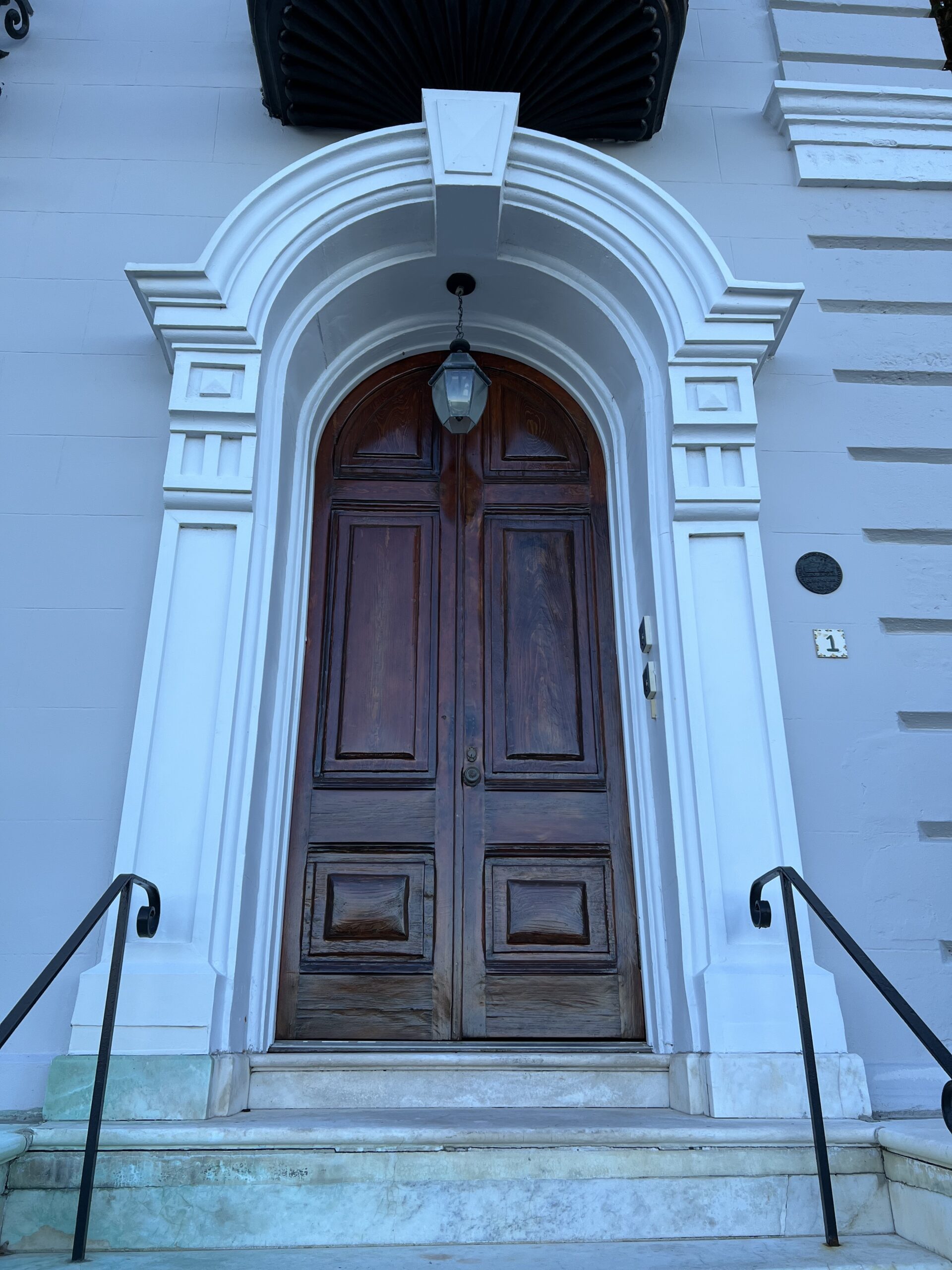
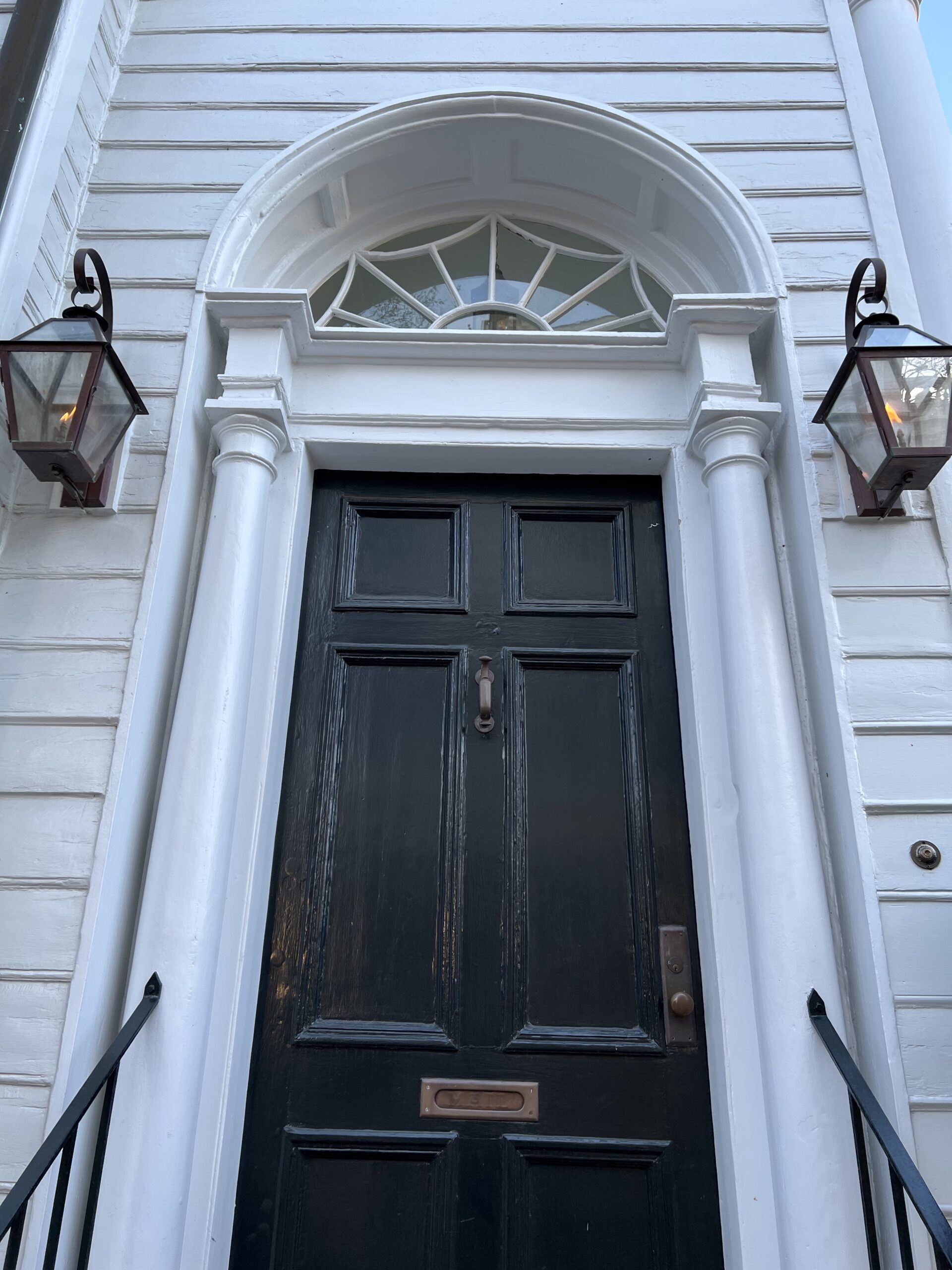
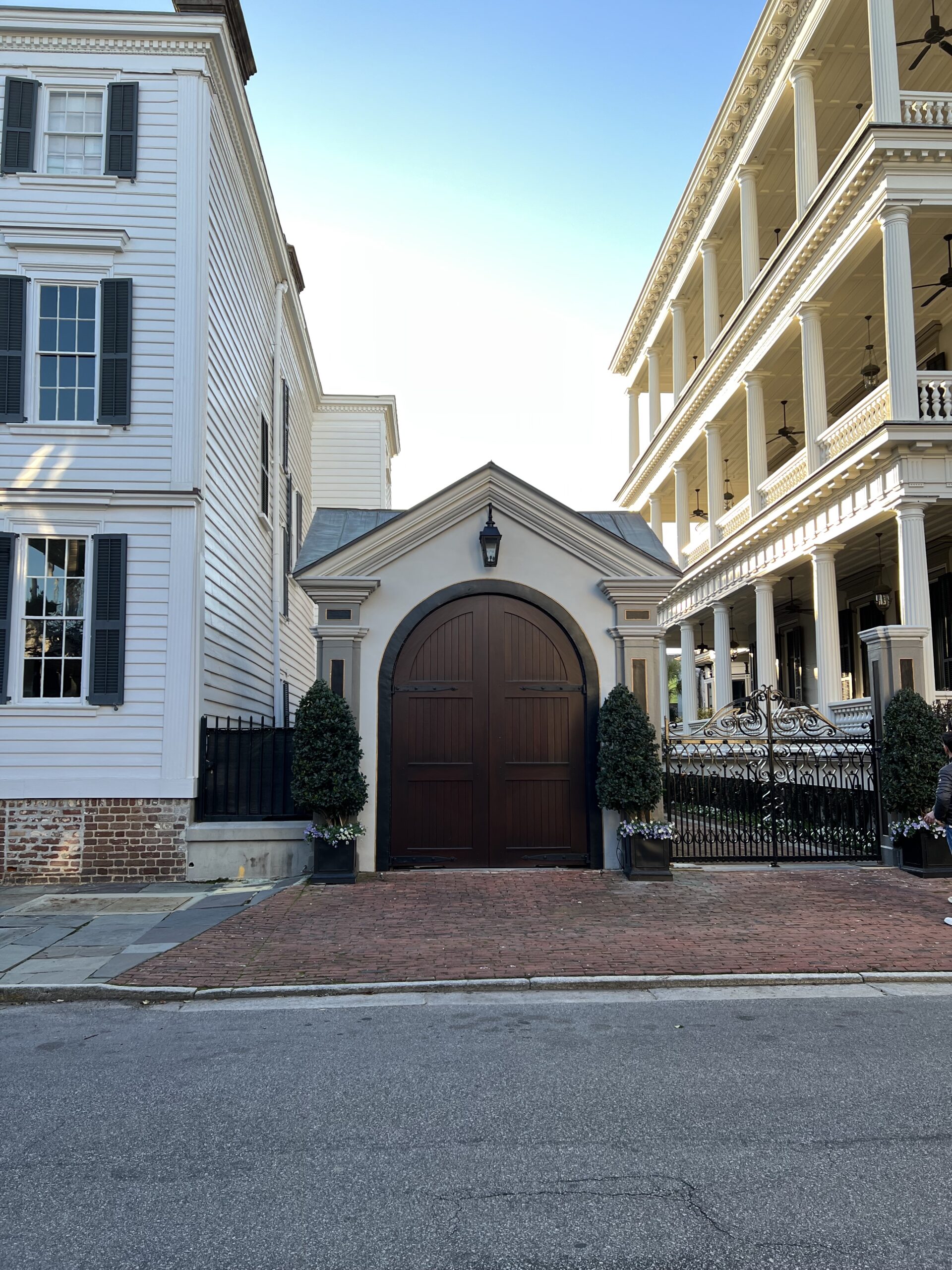
In my previous life, as I like to call my olden days these days, I was really into photography. But I have since moved on to other interests. However, when I recently visited Charleston in the southern state of the US in South Carolina. The beauty of its historic architecture reignited my latent photography skills, leading me to capture the moments in my phone.

Famous for the 100s of years old beautifully paved cobblestone streets, pastel-colored houses, well-preserved 18th and 19th century architecture and equally dark history. Charleston is very well known for its southern hospitality, food, and cultural attractions. Walking down the cobblestone streets transport you to another era, also reminding you of the sites where domestic slave trade flourished. As beautiful as Charleston is; you can’t escape its dark history of slavery. It’s one of the very first ports in America where slaves were brought in from Africa when British still ruled the land. Throughout the downtown area, that history is very well documented.

There are over 2,500 historical buildings in Charleston. Architectural style ranging from colonial, victorian, georgian to many other kinds. Charleston has an old world southern charm that transports you to those days. Especially in today’s age where we are so accustomed to utilitarian aesthetic, visiting Charleston was like stepping back in time.

Below I have shared some of those beautiful architechture that I encountered while walking on the King street. This edition is called the Doors.

The Doors of Charleston

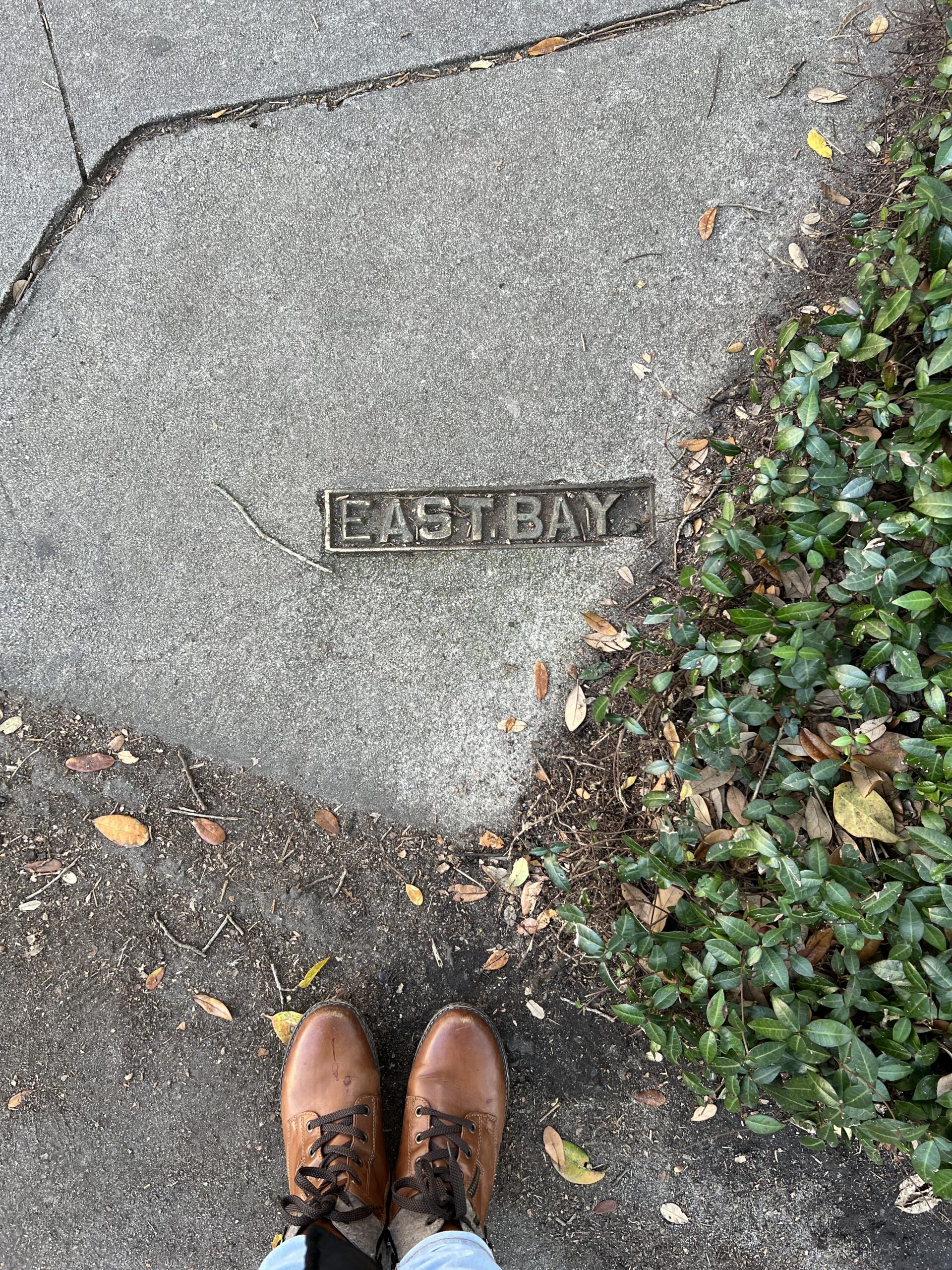
The King street in downtown is without a doubt, a must do in Charleston. If you have an appreciation for architecture with exceptional craftsmanship, love scurmptious southern food, seafood, have a good apetite for shopping. Then, King street is all you need. And not to forget, the Rainbow row, Battery park (pineapple fountain) – they are all within a walking distance of one another.

Below are the overall attractions that we visited:

  • Downtown> King street
  • Downtown> Battery park
  • Downtown> Rainbow Row
  • Downtown> Old Slave Mart museum
  • Museums exhibiting the history of American civil war – there are plenty to see. You pick and choose
  • Any plantation – we visited Magnolia plantation (West Ashley). Recommended if you have kids, as they have a small petting zoo
  • Other attraction: Folly beach (30 minutes from Downtown)
Charleston

Charleston is clearly a city with rich history, charming architecture, palm trees, great food, vibrant art scene. All these reasons make it a popular tourist destination. Also, due to my own experience of how this city reinvigorated my interest to capture the moments in camera, I can say for sure that Charleston is a city that is sure to delight and inspire!

Bon Voyage!

Why Do Introverts Make Great Leaders?

I recently joined a local Toastmasters club. It is one of the best decisions I’ve made. When you realize you need to work on something. There is no other way to tackle it, than, to act on it. For the longest time, I have realized the need to improve my communication skills. The need to put myself in an uncomfortable situation, to help me grow. Toastmasters club is the perfect platform to do just that! So far, I have given four prepared speeches at my club, this is the forth one – that was a part of the Visionary Communication pathway>Level 2. [Read my 2nd speech on data privacy]

Conventional wisdom has us believe that extroverts make the best leaders. These leaders need to be authoritative, loud, abrasive, stern. Naturally, being an introvert, I never thought I could be a leader.

Then one day a study led by the famous organizational psychologist Adam Grant concluded that: in certain situations introverts make even better leaders than extroverts.

Now, being an introvert I had to find out why that is so. Why in certain situations, introverts make better leaders? 

Here’s what the study had to say: In a dynamic, unpredictable environment, introverts are often more effective leaders. Especially in cases, when workers are proactive, offering ideas to improve processes. Such behaviour can make extroverted leaders feel threatened. As opposed to introverted leaders; who tend to listen more carefully and are receptive to new ideas and suggestions.

Therefore, according to the study, if you have a team that’s supposed to do the same job over and over with no change whatsoever, in those cases, extroverts make the best leaders. If you have a growing team, trying to adapt to new changes, trying to improve processes then, introverts make the best leaders.

To test this idea, the researchers conducted a field study in 130 franchises of a U.S. pizza delivery company. And collected data on each store’s profitability. The results showed that in stores where employees weren’t very proactive, extroverted leadership was associated with 16% higher profits than average—but in franchises where workers offered ideas, extroverted leadership was associated with 14% lower profits.

So, now that we have this data, it’s worth reexamining our prejudices. We all know there is a cultural bias against introverts. In one of the surveys, senior corporate executives viewed introversion as a barrier to leadership. And it’s no surprise that those who are dominant and outgoing are favored more in hiring and promotion decisions.

Now with that let me pivot to the original structure of this speech itself. 

When I was looking at the details of this level 2 speech, I was utterly confused. It talked about different kinds of leadership I had to give a speech on. There are all kinds of leadership styles that toastmasters has laid out: authoritative, democratic, innovative, pacesetting….and few more. I didn’t think I fit into any one of these boxes. 

Maybe each framework helps us figure out what our own style is. But before we can even get into different styles, before we can decide what path to choose as a leader, there’s something else we need to understand…..and that is ourselves. Then, It all comes down to understanding our own ego.

Now coming back to the same famous psychologist Adam Grant, who started this research on why introverts make better leaders, he also has the following rules on leadership in general and would like to end this speech with these rules.

The 1st rule of leadership is; as a leader you always put mission above your ego.

The 2nd rule of leadership is, if you don’t care about your people, they won’t care about your mission.

3rd rule of leadership : if someone has to tell you the 1st two rules then, you’re not ready to lead.